Quote card
Medium quote teaser
A standout line becomes a social-ready visual.
Highlightly helps Medium writers repurpose essays and research sources into tasteful graphics, pull quotes, captions, and carousel-style companions.
Medium quote
Source-backed and editable
Thesis visual
Source-backed and editable
Carousel teaser
Source-backed and editable
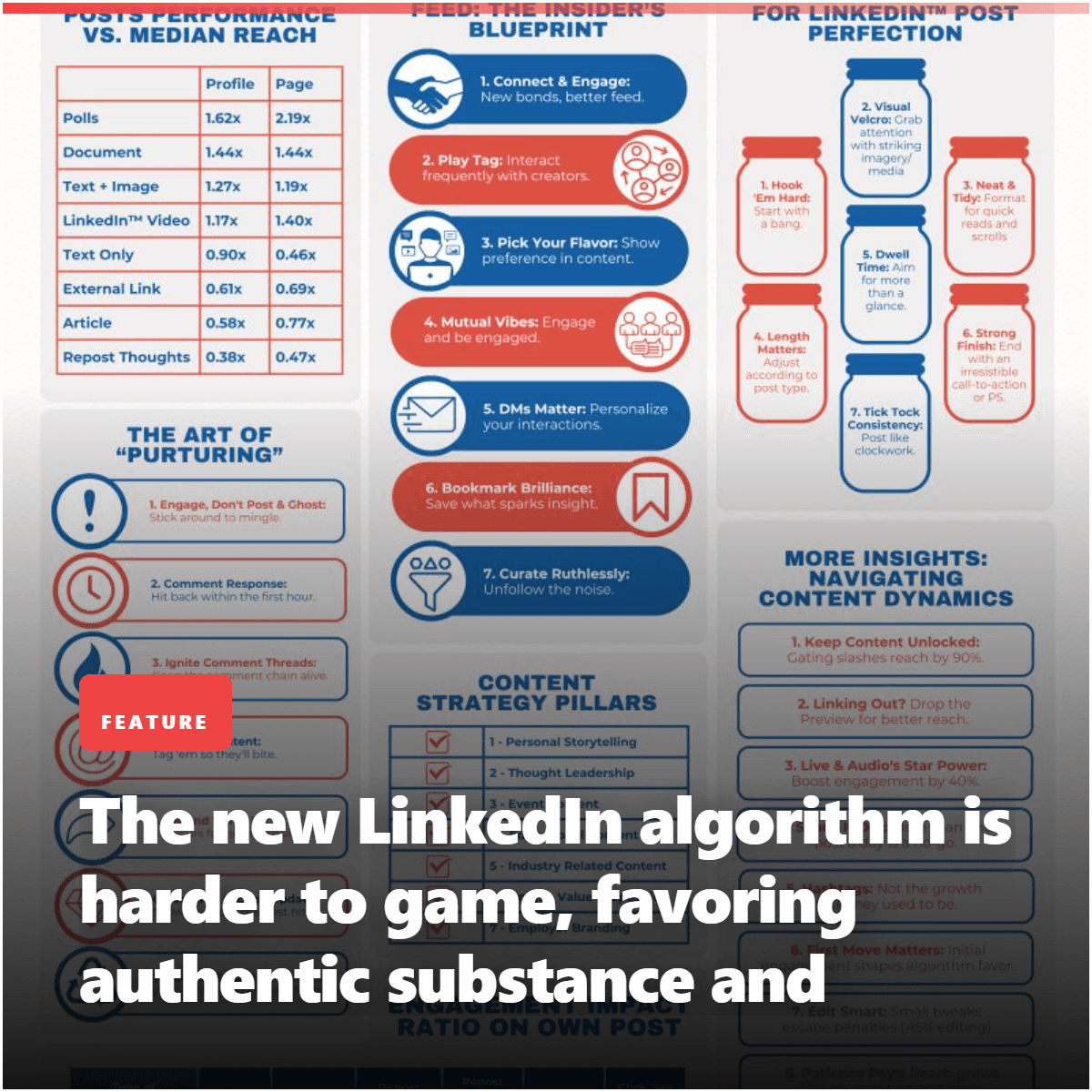
Medium teaser
Essay -> assets
Turn a Medium post into quote cards, thesis graphics, and social captions.
The Medium promotion gap
A Medium post can have nuance, but social feeds reward a quick signal. Highlightly helps create elegant visual entry points that carry the essay's point of view without rewriting it into shallow copy.
Create a doorway back to the full read instead of relying on a link preview.
A link preview rarely communicates the strongest line in the essay.
Manual quote graphics take time away from writing the next piece.
Generic social promotion can make an essay feel smaller than it is.
Research-heavy posts need source context when excerpts travel.
Working sequence
Use the published URL, draft text, or source notes behind the piece.
Review hooks, quotes, key points, and supporting facts.
Build quote cards, thesis visuals, carousel teasers, and platform captions.
Export assets that support the full read rather than replacing it.
Concrete outputs
Extract the thesis, best line, supporting source, or practical takeaway and turn it into a polished visual.
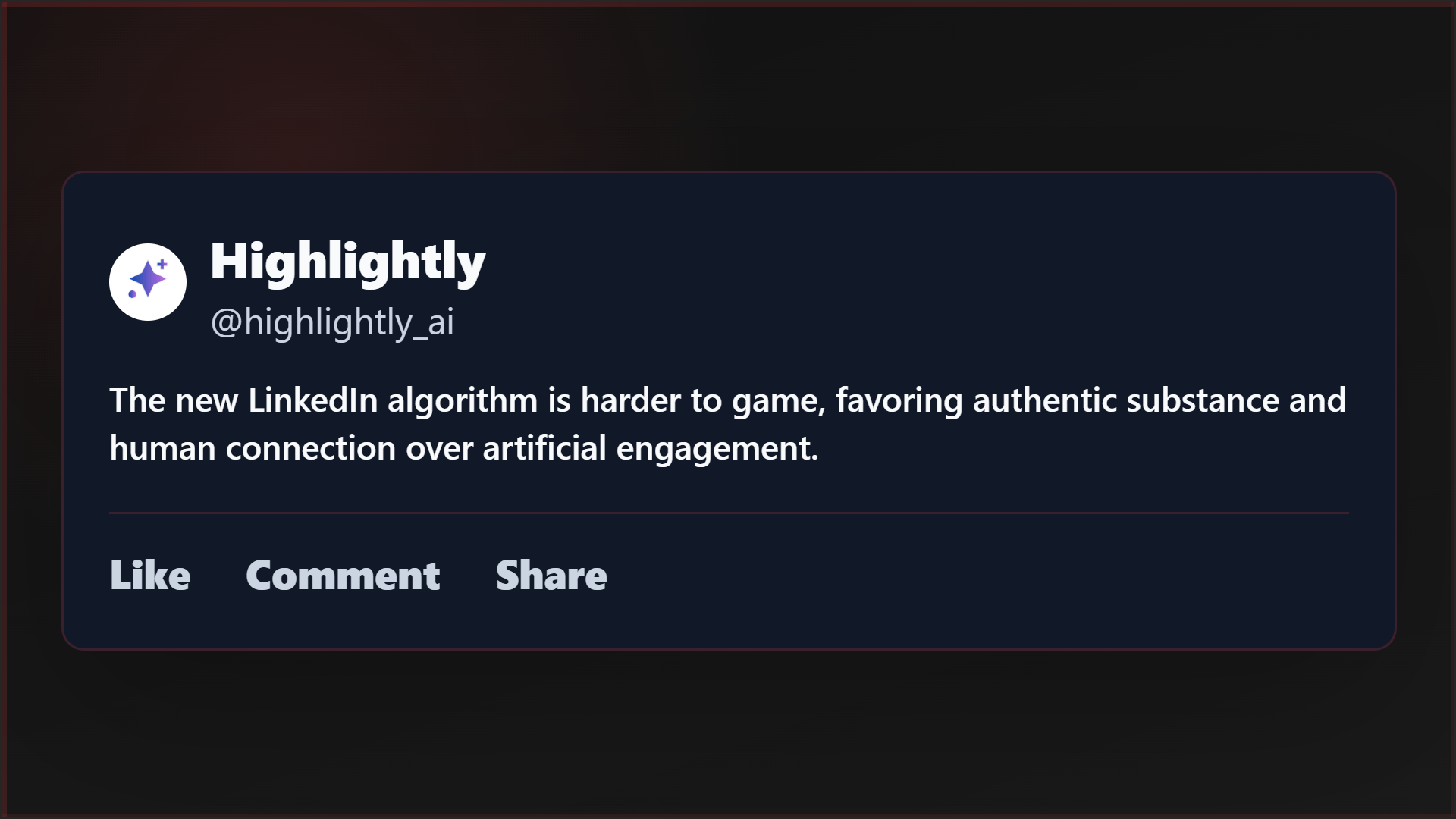
A standout line becomes a social-ready visual.
The central argument becomes a clean graphic for LinkedIn or X.
A sequence of takeaways becomes a short promotional carousel.
See it in action
Here is an example source, a few extracted signals, and a showcase wall of output directions created from that material.
Example source
This is one source used to demonstrate the kind of outputs Highlightly can create after extraction and review.
Example extracted signals
Statistic
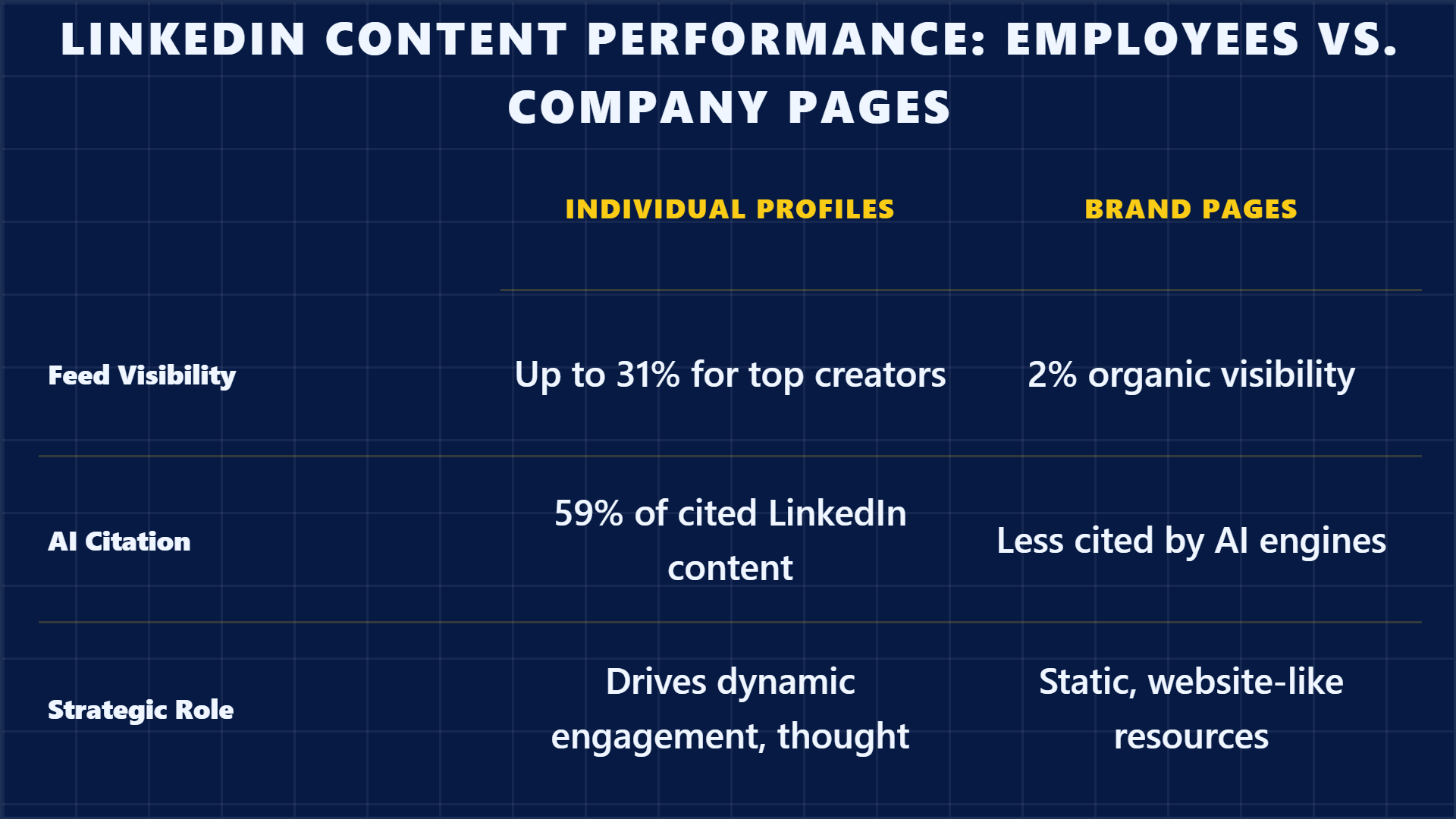
"2% of feeds show organic company content vs 31% for top personal creators."
Finding
50.1% of impression distribution is profile-based — followers, history, topic consistency.
Quote
"AI engines do what B2B buyers have always done: trust people over brands." — Ann Gynn
Key point
55%+ of hidden decision-makers use thought leadership in their vetting process.
Output directions
The showcase below is an example set from one source, not the ceiling. Highlightly can keep producing variations across templates, ratios, brand systems, and editorial angles.
Sample output wall
Preview the first part of the showcase, then expand it if you want to scan the full example set.
Output wall
This is a showcase set, not a limit. Change the format, ratio, brand kit, template, or angle and the same source can branch into many more directions.
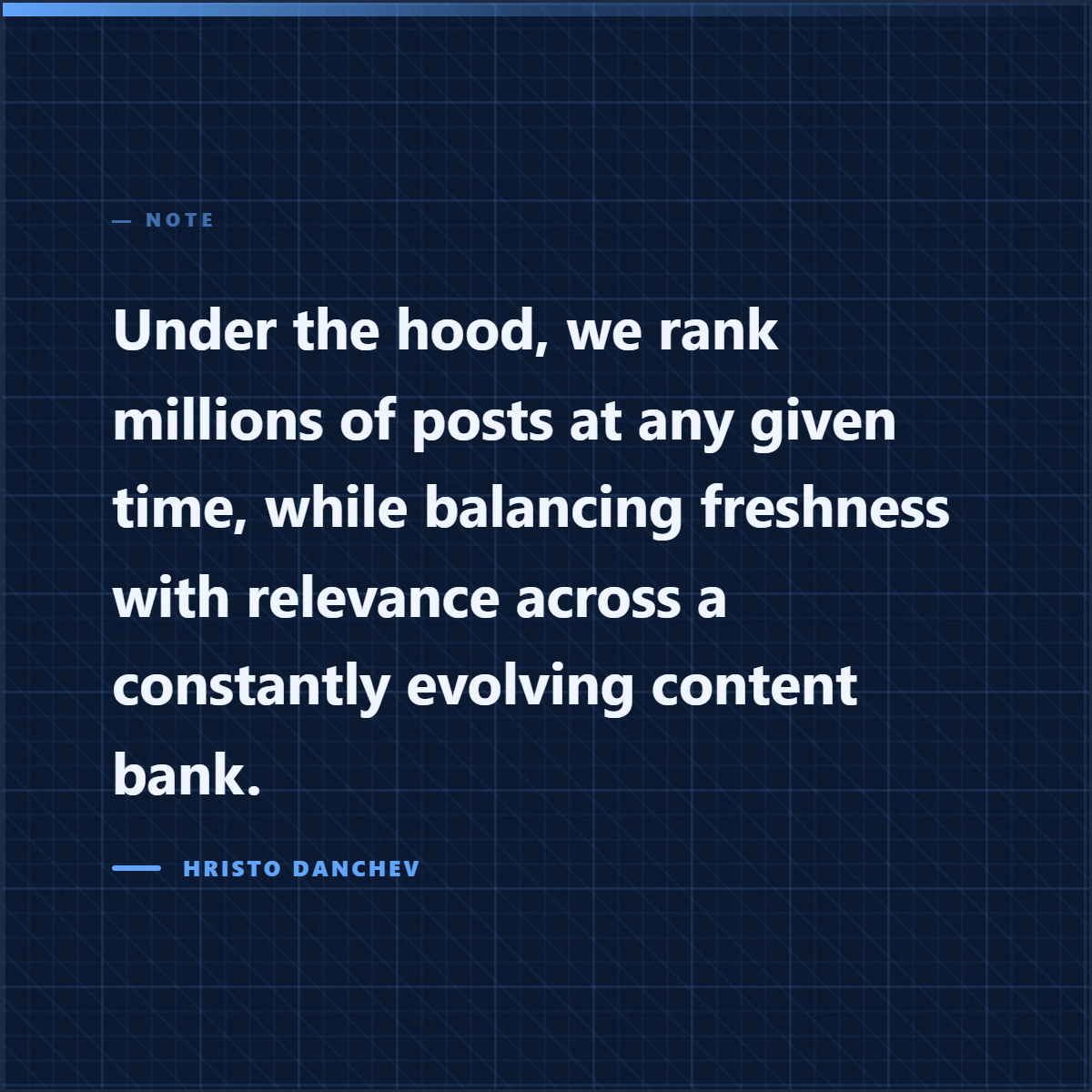
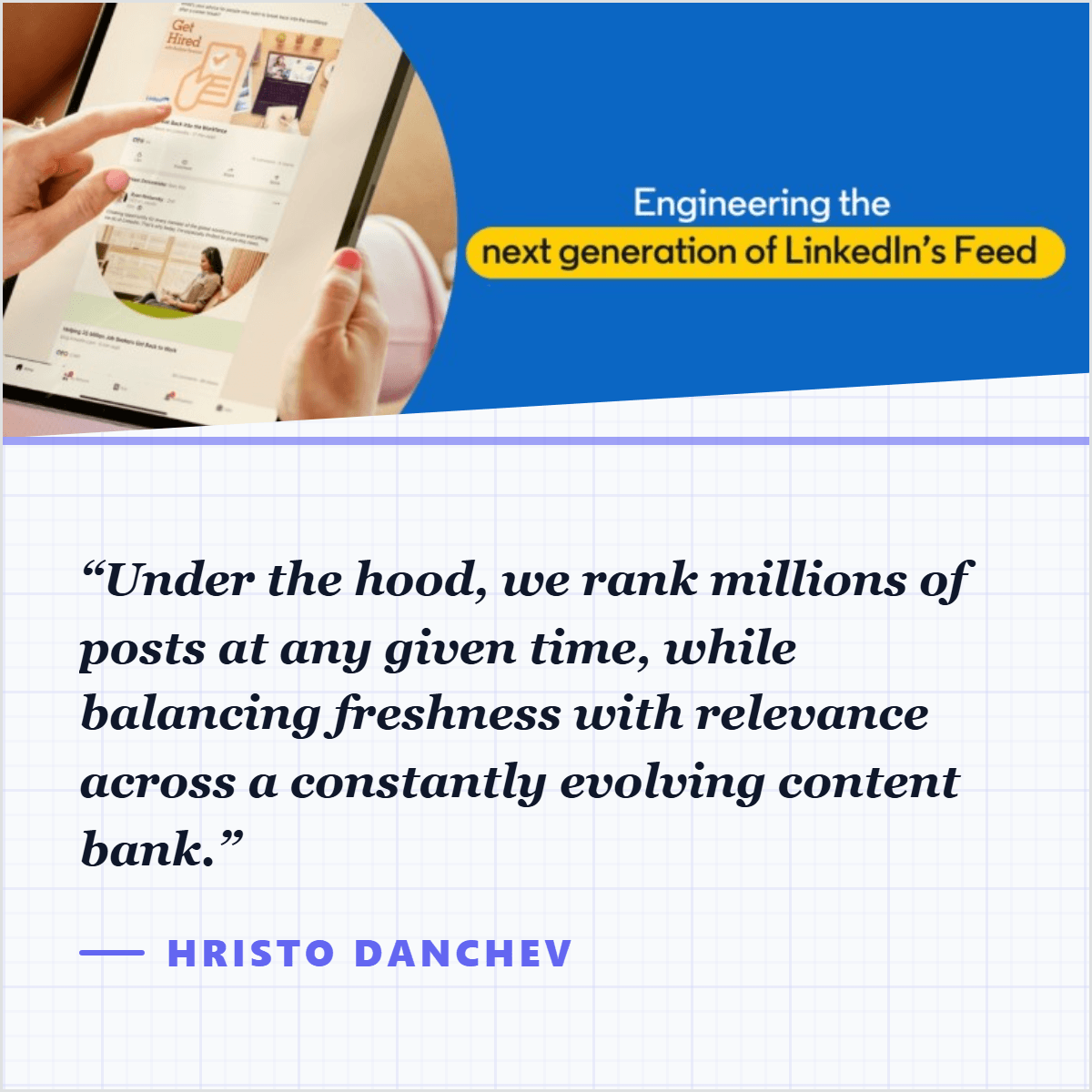
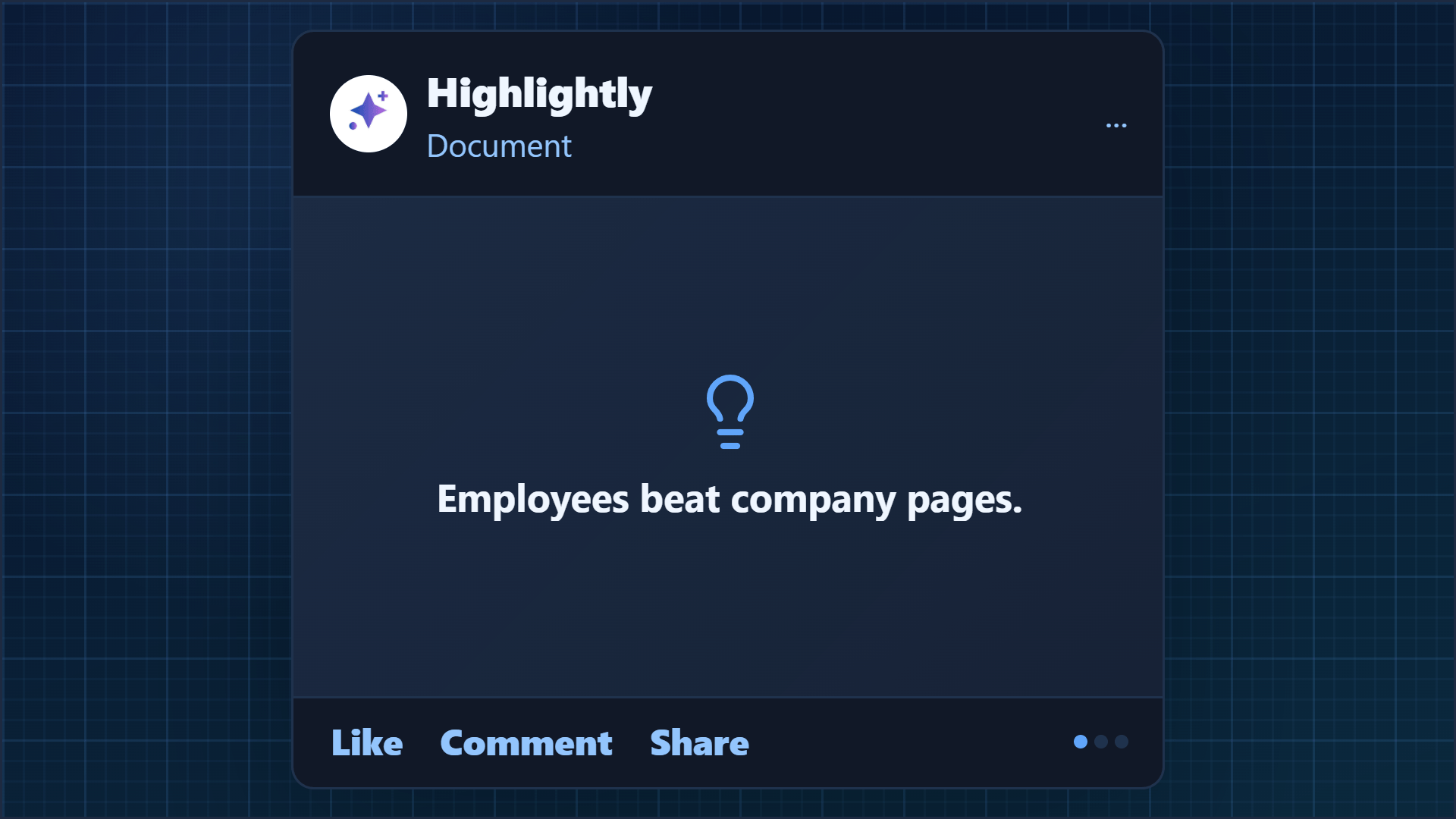
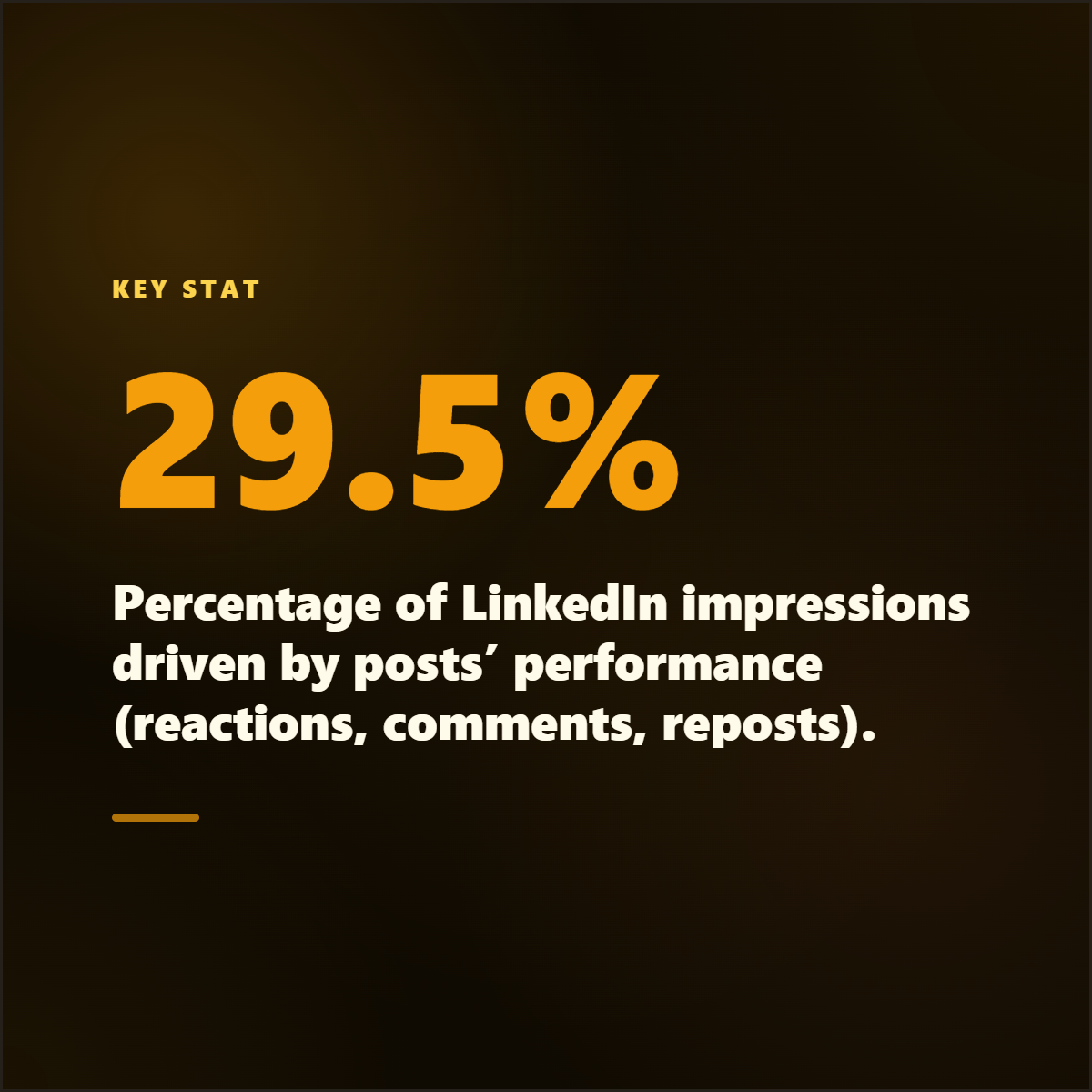
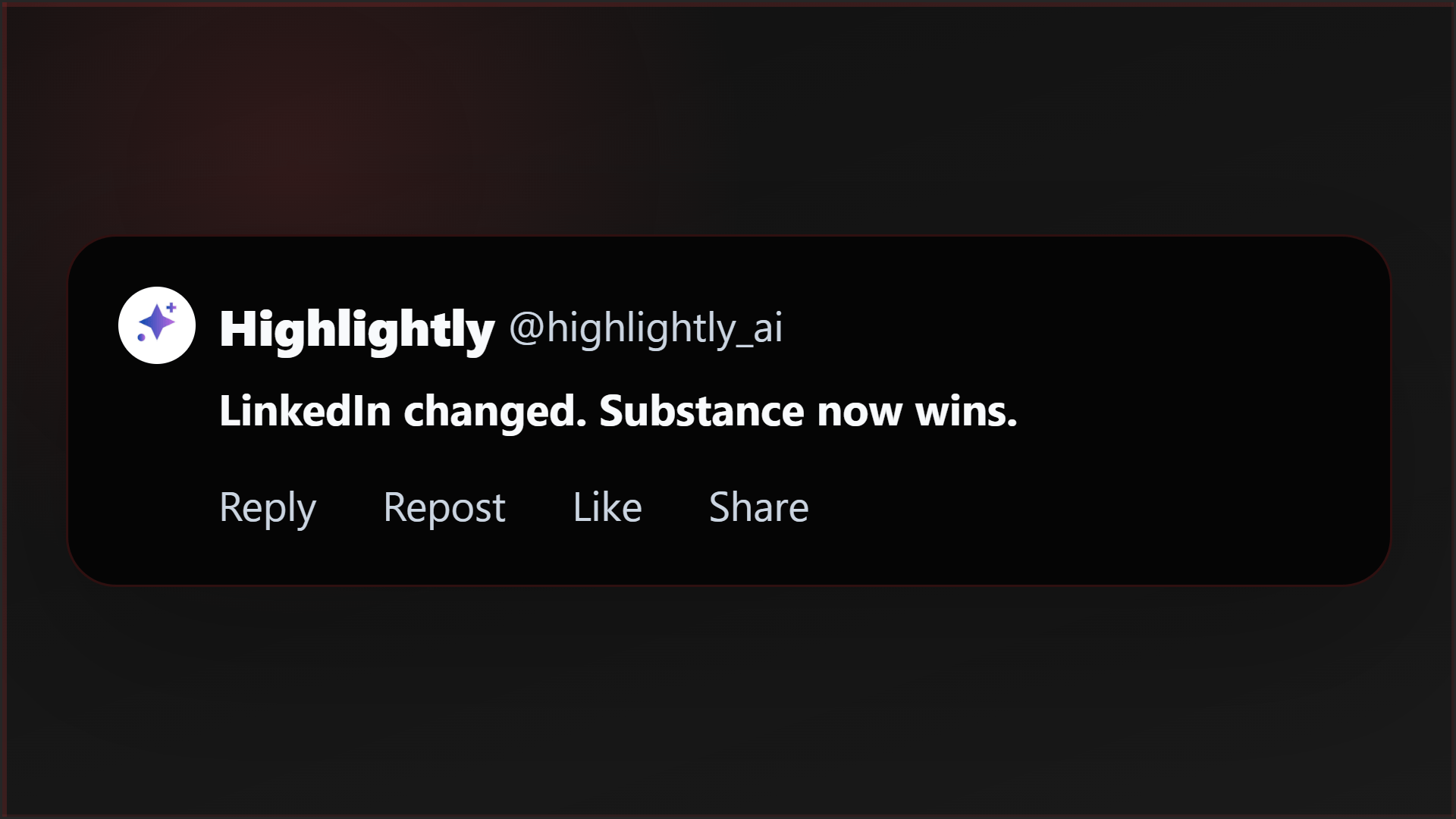
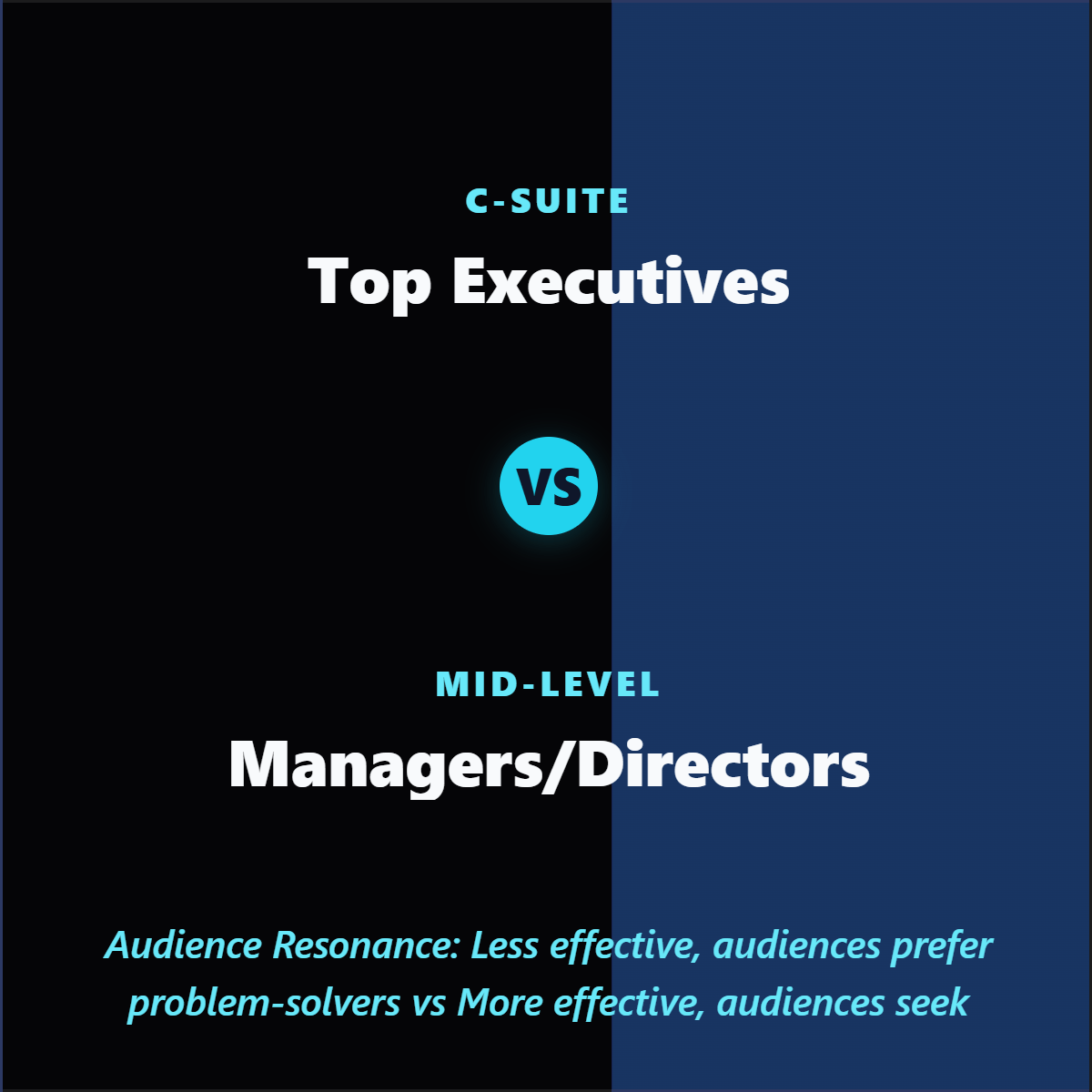
Highlightly extracts and structures source material. You review, edit, and approve before export. The AI does the first pass. You make the final call.
“The goal is not to make more AI content. The goal is to make the useful parts of real sources easier to publish.”— Founder @ Highlightly
See every hook, stat, quote, and claim before it becomes an asset.
Change wording, adjust framing, add your take before export.
Colors, logo, typography, watermark, and social handles.
The final asset reflects your judgment, not just the AI extraction.
What to paste first
The fastest path is not “ask AI for content.” It is: bring a real source, inspect what Highlightly extracts, choose the useful angle, then make the asset your own.
Good when it contains claims, quotes, stats, steps, or a clear argument worth turning into a visual.
Good when it contains claims, quotes, stats, steps, or a clear argument worth turning into a visual.
Good when it contains claims, quotes, stats, steps, or a clear argument worth turning into a visual.
Choose excerpts that preserve the essay voice and point back to the full read.
Before exporting, confirm the extracted quote, statistic, or takeaway still matches the source. Then use the editor, Brand Kit, and captions to make it publishable.
How it compares
Medium writers need multiple entry points from one essay. Highlightly creates teasers that point back to the full read.
| Feature | Highlightly | Canva | Buffer | Manual |
|---|---|---|---|---|
| Source-backed extraction | ||||
| Brand kit application | ||||
| Multi-platform captions | Scheduling only | |||
| Source attribution | ||||
| Batch source ingest | ||||
| Review before export | ||||
| Carousel generation | Manual design | |||
| Quote/stat cards | Manual design |
Source-backed extraction
HL
Canva
Buffer
Manual
Brand kit application
HL
Canva
Buffer
Manual
Multi-platform captions
HL
Canva
Buffer
Manual
Source attribution
HL
Canva
Buffer
Manual
Batch source ingest
HL
Canva
Buffer
Manual
Review before export
HL
Canva
Buffer
Manual
Carousel generation
HL
Canva
Buffer
Manual
Quote/stat cards
HL
Canva
Buffer
Manual
Highlightly gives Medium writers a way to create visuals from the actual text and sources, then edit the framing before anything goes public.
Direct answer
Medium writers can paste an essay link or draft into Highlightly, choose extracted quotes, hooks, and key points, then export branded quote cards, thesis graphics, and captions that link back to the full essay.
Yes. Extract quotes, thesis, and key points, then turn them into visual teasers for LinkedIn, X, and other platforms.
Yes. Pasted text works well for drafts and unpublished sections.
The visual is designed as a doorway. It makes readers want the full context, not replace it.
Related workflows
For thoughtful writers
Writers use Highlightly to turn essays, research notes, drafts, and article excerpts into quote cards, visual summaries, and social promotion assets.
View workflowFor editorial operators
Extract quotes, stats, hooks, key points, and citations from articles, reports, and PDFs, then turn them into branded newsletter visuals and social posts.
View workflowFor multi-platform creators
Content creators use Highlightly to turn research, articles, transcripts, and notes into source-backed cards, carousels, captions, and story graphics.
View workflowStart with one source
Paste a link, upload a document, or start from text. Review the extracted material, pick a template, and export with attribution intact.