 Highlightly Team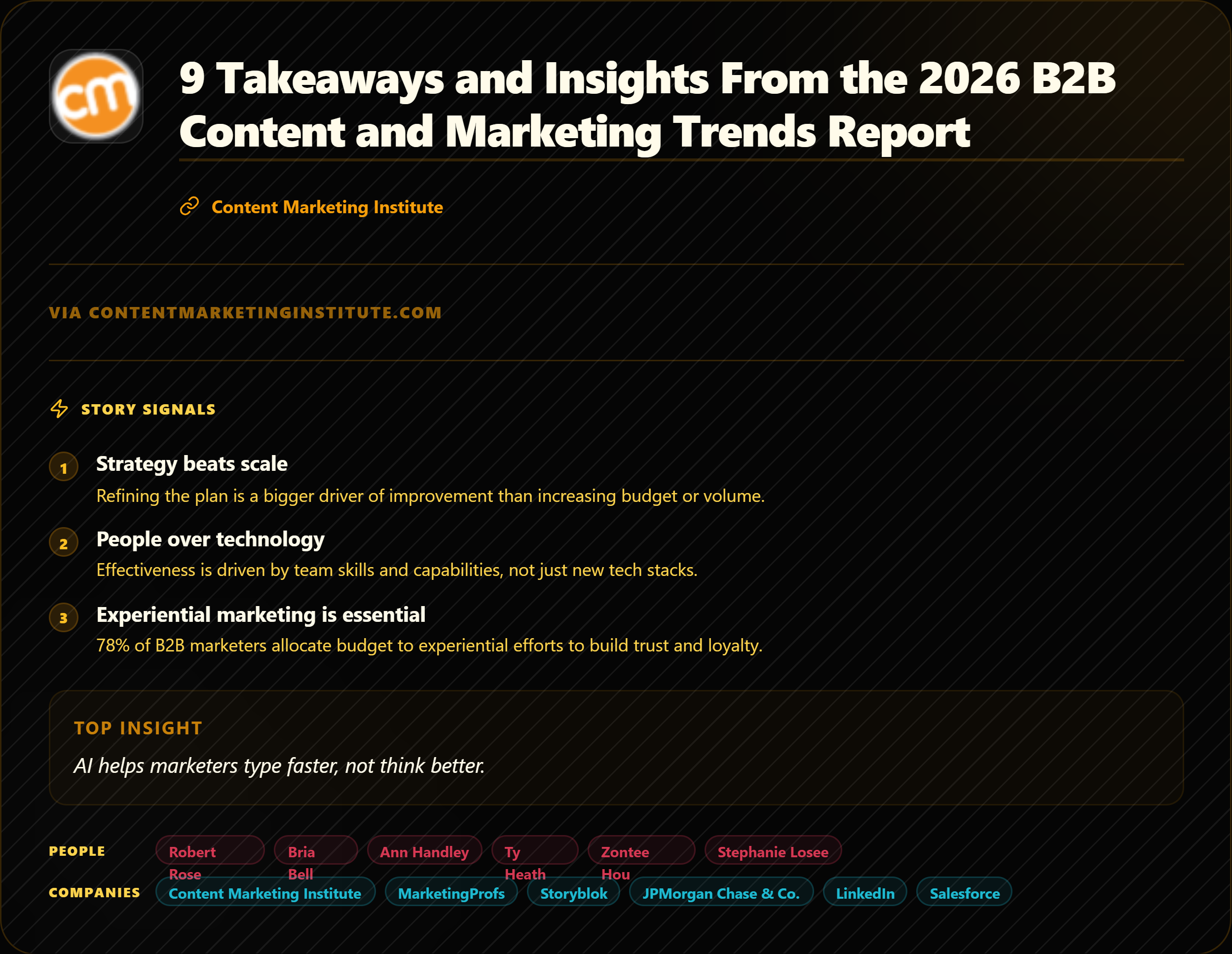
You asked AI to write a LinkedIn post. It gave you something polished, structured, and completely forgettable.
So you go looking for prompt tips. Remove the filler. Ban the clichés. Use shorter sentences. Start with the interesting part. These rules help, but they solve only the delivery problem.
Better prompts improve the surface. Better inputs improve the substance.
You can remove every em dash and still publish a post with no source, no observation, and no reason for the reader to care.
The prompt checklist
Use constraints that make the writing clearer
Useful prompt constraints
The trap
A cleaner output can still be empty
Prompt engineering can make AI output sound less robotic. It does not automatically make the output worth reading. You can ban every cliché and still get a paragraph with no source, no observation, and no reason for anyone to care.
A blank prompt asks the model to do two hard things at once: imagine the substance and package the substance. AI is usually more dependable at the second job than the first.
The real fix
Stop starting with a prompt
The teams getting better content from AI are not only using better instructions. They are using a different starting point: a report, article, PDF, transcript, customer call, research paper, product document, or founder note that already has weight and specificity.
A source-first workflow
Import
Bring in the URL, PDF, document, pasted text, transcript, or research source.
Extract
Surface quotes, stats, hooks, facts, key points, screenshots, and source media.
Review
Choose what is strong, what needs context, and what should stay out of the post.
Map
Match each atom to the format that makes it easiest to understand: quote card, stat graphic, carousel, thread, or screenshot.
Design
Apply brand colors, fonts, logo, attribution, and the ratio that fits the publishing destination.
Publish
Export the approved asset, then write or refine the caption around the selected evidence.
The key difference
AI-generated starts from nothing. AI-assisted starts from something real.
If you ask AI to write about the future of work, you will get a reasonable version of the topic. If you give it a specific report and ask it to surface the most surprising finding, you have changed the material the output is built from.
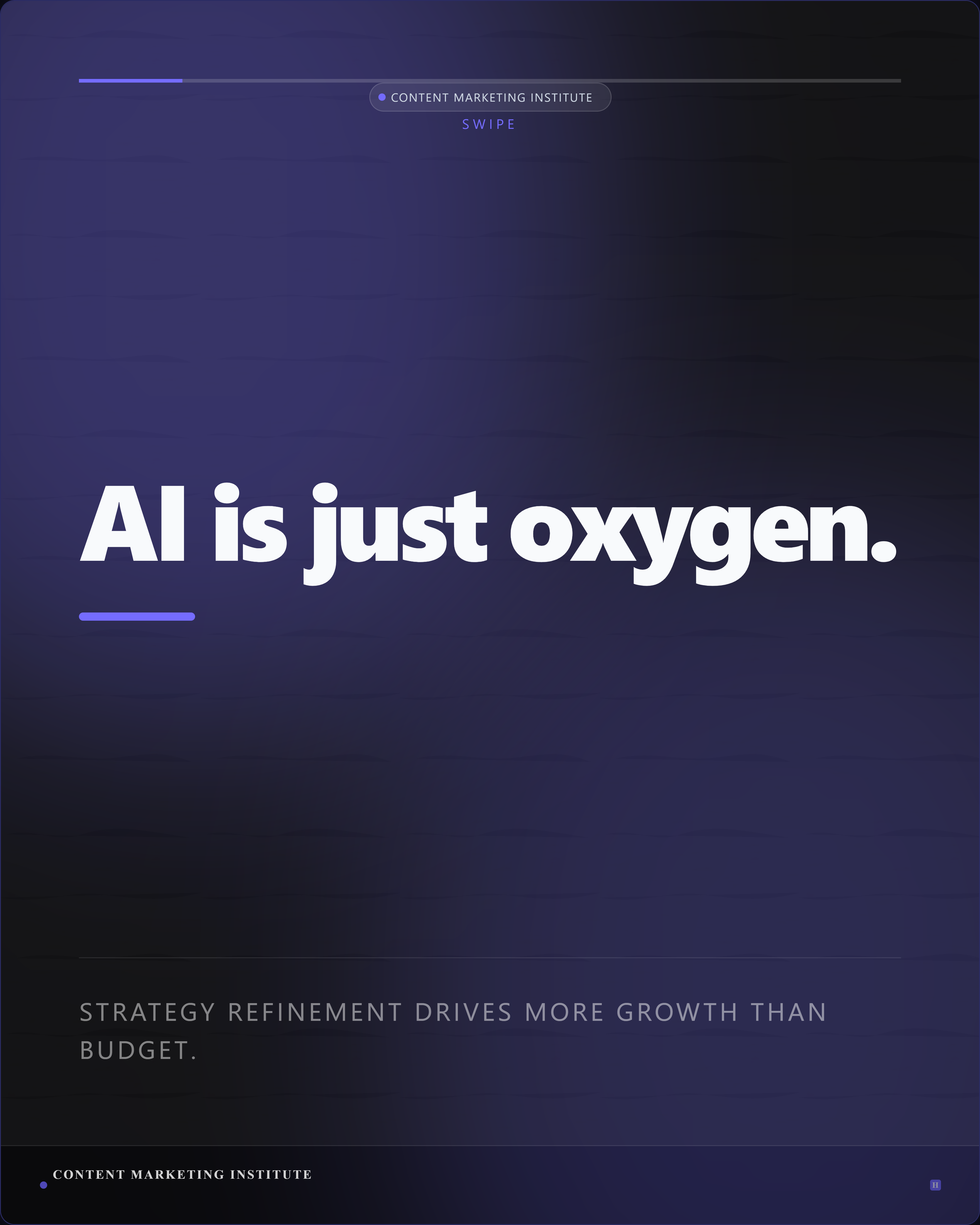
That is why a post built from a real quote with real attribution does not need as many tricks to avoid sounding generic. It is specific because the input is specific. The prompt shapes the delivery; the source creates the difference.
Highlightly workflow
Use prompt craft around source-backed material
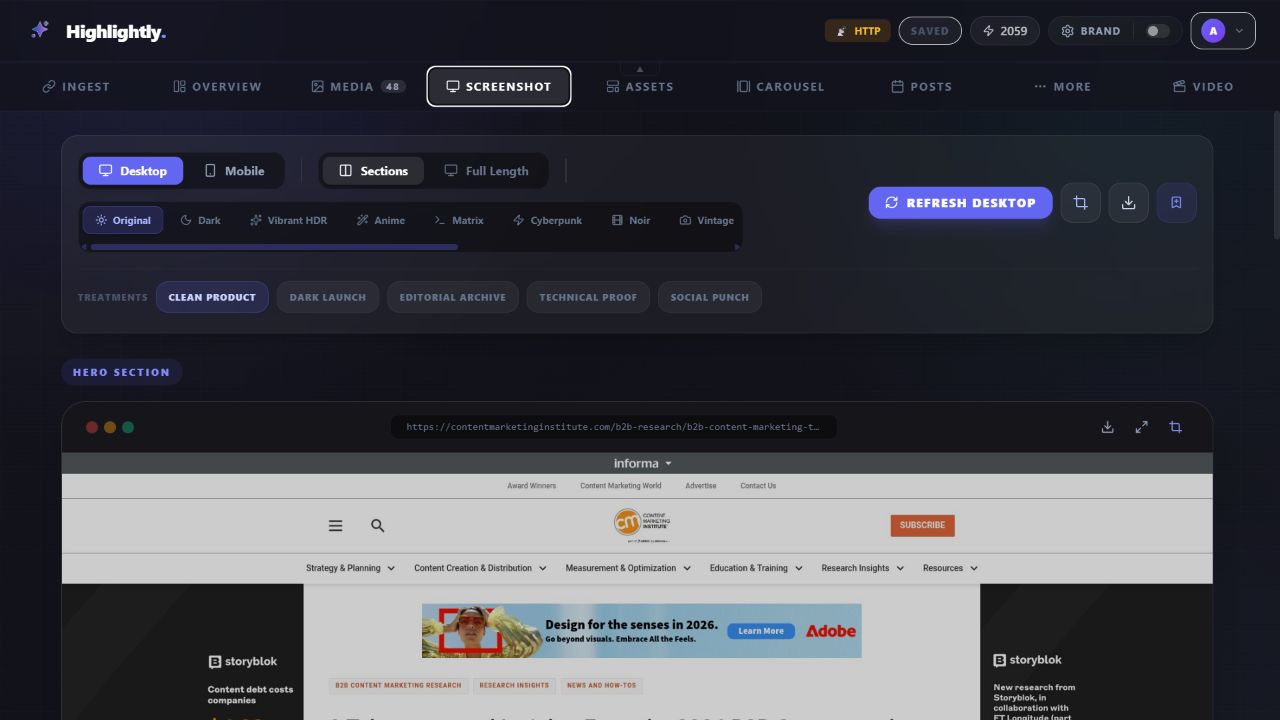
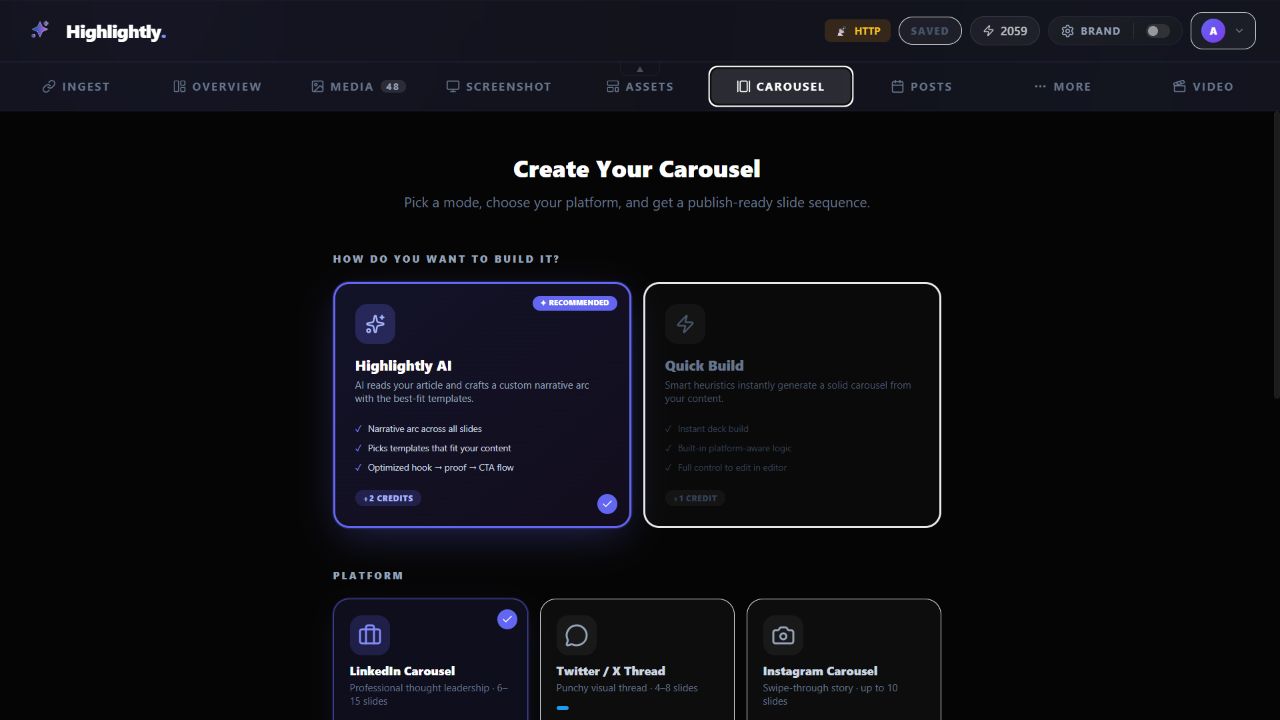
Highlightly starts with the source and surfaces the useful pieces: quotes with attribution, statistics with context, hooks, key points, facts, screenshots, and media. You choose the angle and the format, then use the workspace to create cards, carousels, screenshot assets, captions, and branded exports.
Improve the input
Bring one real source to your next AI session.
Use prompt guidance for clarity, but give the model material with enough specificity to make the result worth trusting.
Start with better inputsPrompt tips are useful. Source-first workflows are the upgrade.
Use constraints to make AI clearer, then change the input so the work has something specific to say. Better material creates better options, better review, and better content.
- Use prompts to shape delivery.
- Use sources to create substance.
- Keep human judgment in charge of what the audience sees.
Better inputs
The fastest way to get better AI content is to give the model better material.
Use prompt rules for tone and shape, then anchor the work in a report, article, transcript, product document, or customer story.
Frequently asked questions
Research sources