 Highlightly Team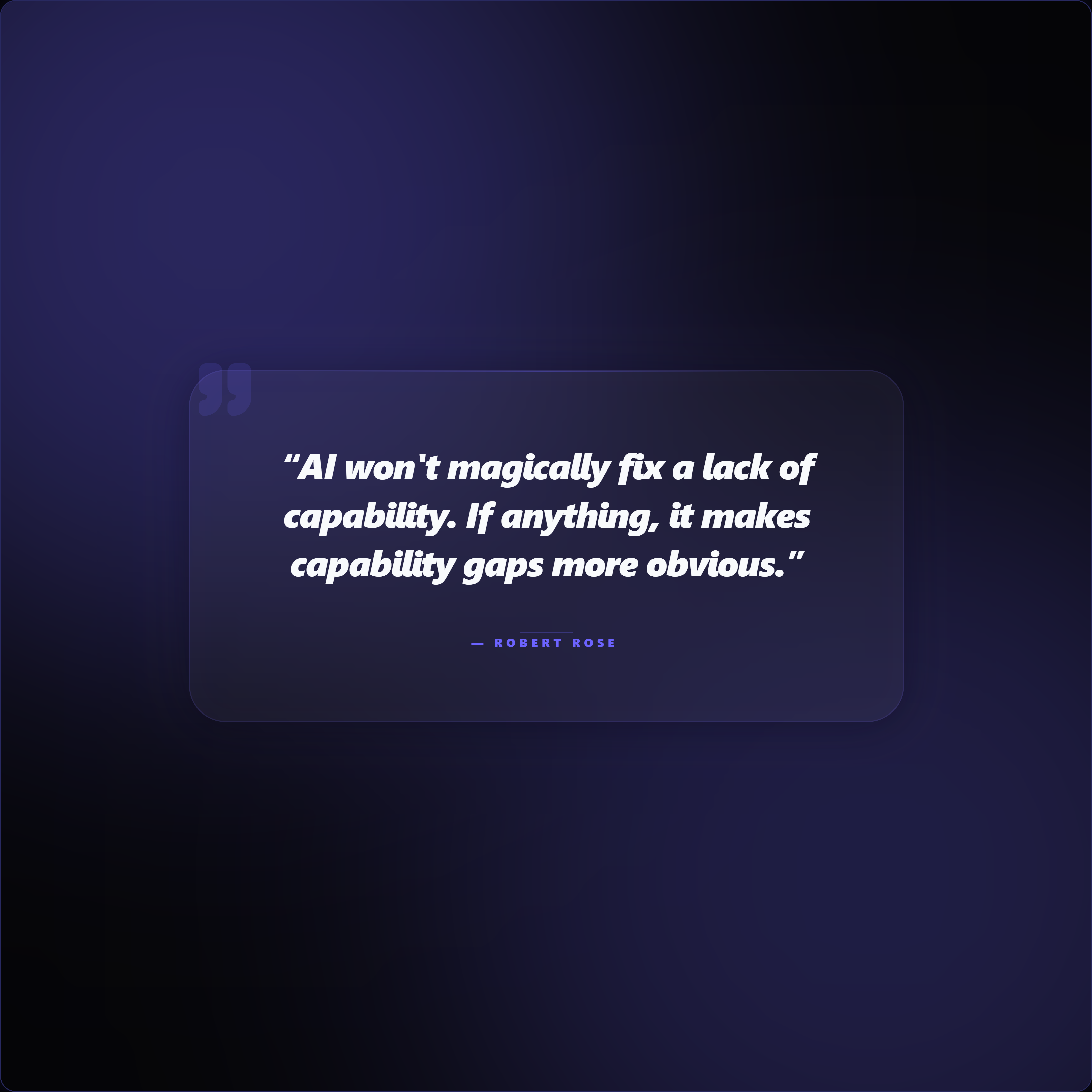
AI slop is not just bad writing. It is unsupported confidence at scale.
You know the texture: vague claims, generic advice, recycled frameworks, suspicious statistics, perfect grammar with no lived edge, and posts that sound as if they came from the same invisible template. The problem is not that AI can write. The problem is that the workflow often asks it to invent the substance and polish it at the same time.
Extraction before generation. Attribution before amplification.
Use AI to work faster with material you can inspect. Do not let a confident surface hide the absence of a source, context, or human decision.
The workflow problem
Prompt in, post out, trust missing
Most teams will use AI in content production because manual production is slow. The weak workflow is not the use of AI itself; it is using AI as a content vending machine. A topic goes in, a post comes out, and the calendar looks full before anyone asks what the post is actually based on.
The fix
Start with a source that has something to say
Use an article, report, interview, transcript, white paper, customer story, or research note. The source gives the workflow edges: actual wording, actual numbers, actual tension, and actual context. AI can then help make that material easier to find and easier to package.
A source-backed anti-slop workflow
Capture a source
Bring in an article, report, PDF, transcript, product document, or research note with real substance.
Extract before writing
Find quotes, stats, facts, screenshots, charts, key points, and strong passages before generating the caption.
Add a human angle
Choose what matters for your audience and distinguish your interpretation from what the source directly says.
Produce the asset
Turn the selected material into a card, screenshot, carousel, thread, caption, or another format that fits the job.
Preserve proof
Keep the source name, speaker, date, and link close enough that a reader can understand and inspect the claim.
What changes
Source-backed content feels different because it has an origin
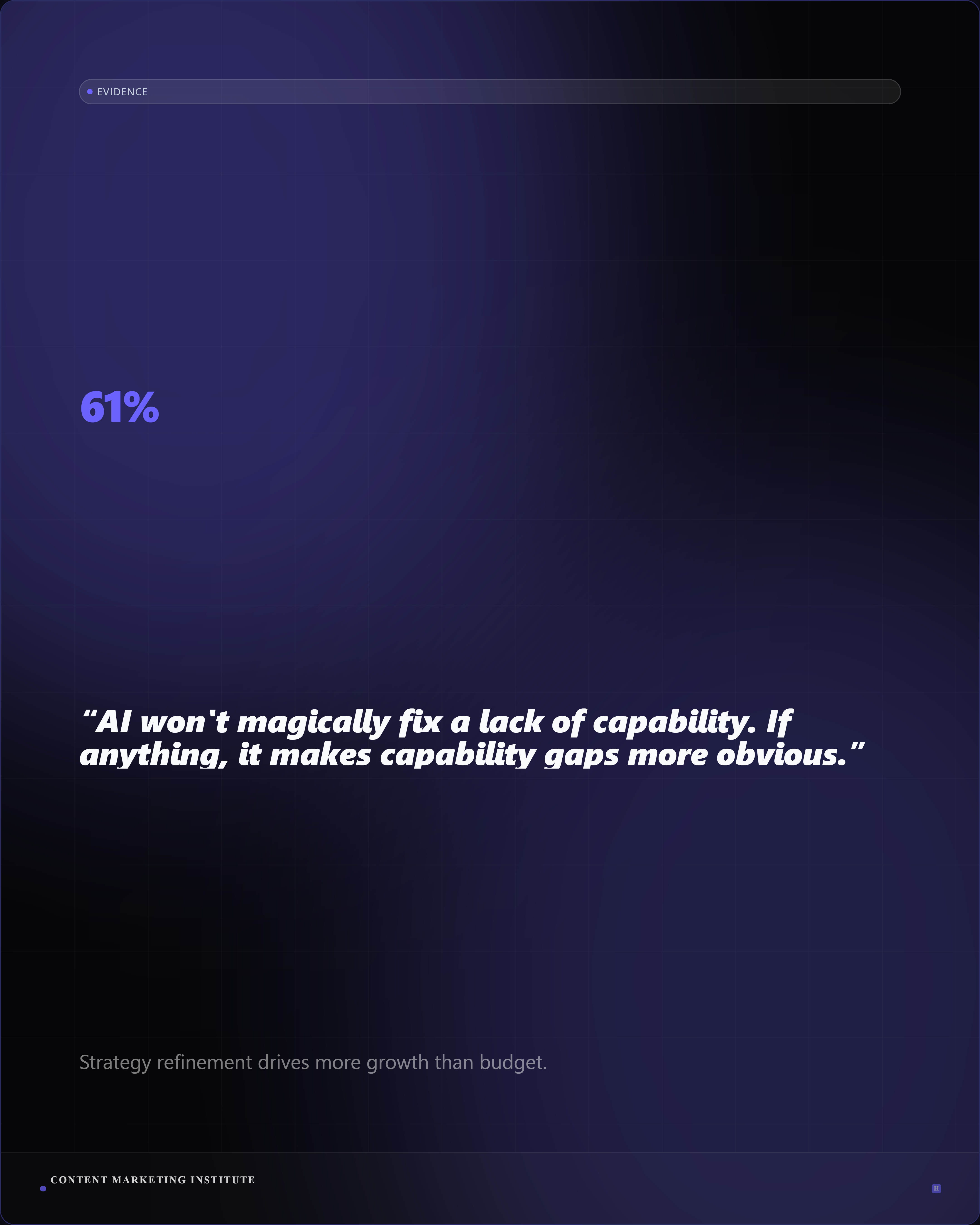
A stat card from a real report gives the audience something to evaluate. A quote card with a named speaker gives the sentence weight. An annotated screenshot shows where the observation came from. A carousel built from a source has a spine instead of a sequence of plausible slides.
Six ways to make the workflow harder to fake
- Name the source and publication date.
- Use exact quotes only when the wording is verified.
- Show enough context around a number for the denominator and timeframe to make sense.
- Separate the source's finding from your interpretation.
- Use screenshots or charts when the original evidence carries meaning.
- Let a human reject a polished option that is not specific or fair enough.
Highlightly workflow
Keep the source visible while the asset is being made
Highlightly ingests the source and surfaces reviewable material before you choose a format. You can work with extracted quotes, statistics, hooks, key points, screenshots, and media, then turn the selected pieces into branded cards, carousels, captions, and exports.
Make better defaults
Use AI with a source, not instead of one.
Bring one real piece of material into the workflow, extract what matters, and keep the proof close to the final asset.
Build source-backed contentThe way out of AI slop is a better chain of responsibility.
Capture real material, extract before generating, keep human judgment in the loop, and preserve enough attribution for the audience to understand what they are looking at.
- Use AI for speed without outsourcing the claim.
- Make the source part of the asset's context.
- Treat specificity and accountability as production requirements.
Anti-slop workflow
Extraction before generation. Attribution before amplification.
A source-backed workflow gives AI real material to work with and gives the reader a clear path back to the evidence.

Frequently asked questions
Research sources