 Highlightly Team
AI-powered search changes how people may discover an article, but it does not remove the need for a strong source page. A page still needs to be crawlable, indexable, understandable, and worth visiting when the reader wants detail or confidence.
Think “useful source,” not “AEO hack.”
Google's public guidance points to normal Search eligibility, helpful content, clear organization, internal links, and useful text and media. There is no shortcut that replaces original value.
What changes for content teams
Old assumption vs. current job
Build an AI-search-ready source page
Useful source pages
Build an answer that can stand on its own before you repurpose it.
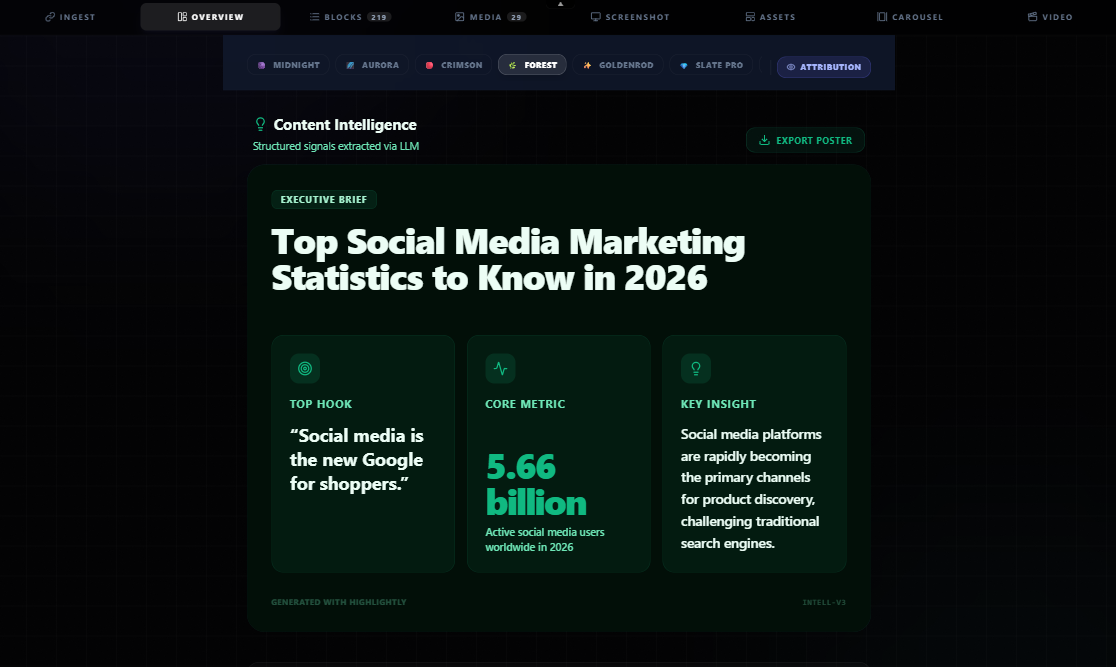
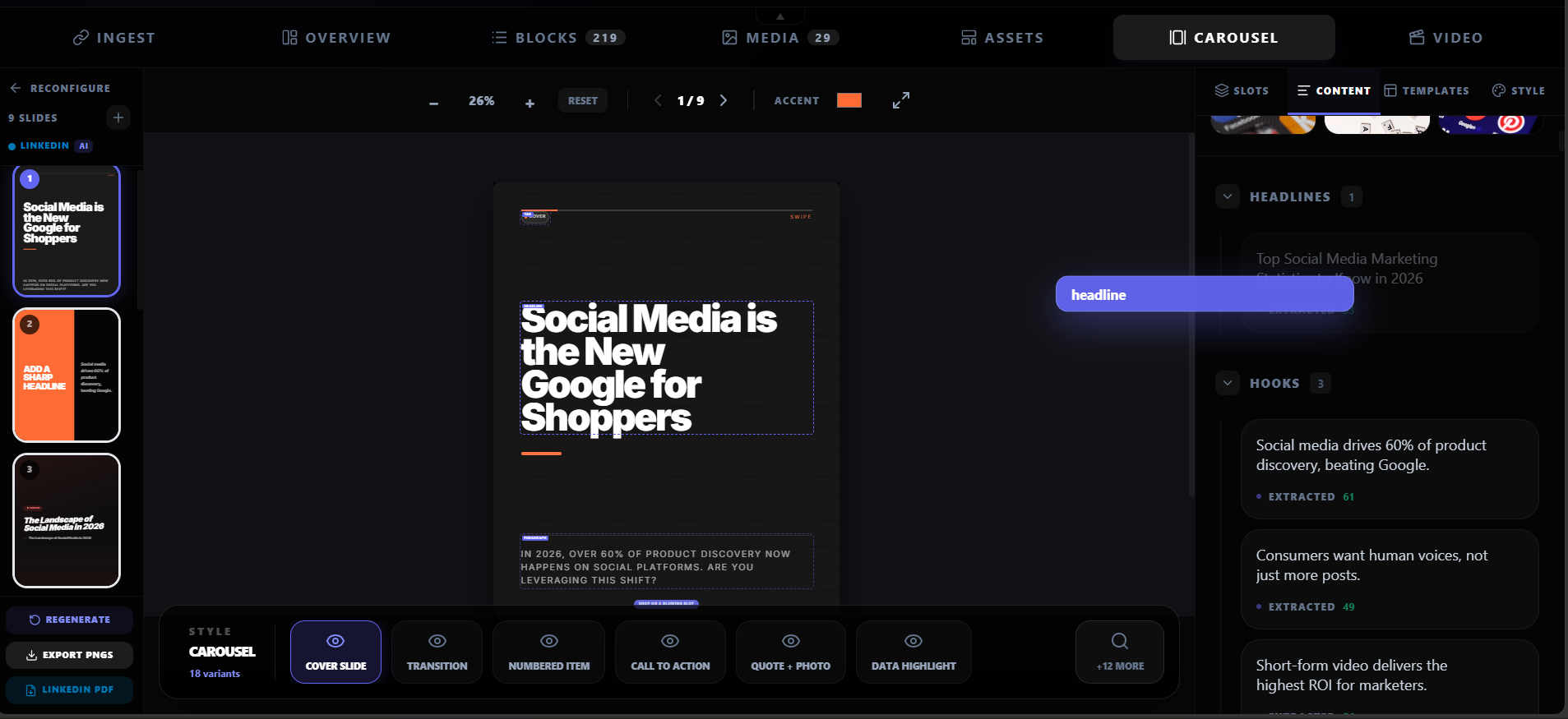
The product view is relevant here because it shows the source-backed selection step that should happen before distribution.
A people-first page structure
1. Answer the main question early
Give the reader a direct, plain-language answer before the deep detail. Do not make them hunt through a preamble.
2. Define the scope
State who the page is for, what it covers, and what it does not claim.
3. Add original substance
Use first-hand workflow detail, a real example, a decision framework, or source-backed analysis.
4. Make evidence inspectable
Link sources, show context, attribute quotes, and keep numbers tied to their method or timeframe.
5. Help the next action
Add relevant internal links, a useful visual, a downloadable resource, or a product workflow that naturally follows the answer.
Use visuals to clarify, not decorate
A screenshot, chart, comparison, or workflow diagram is useful when it helps the reader understand the answer. A generic hero image does not make a thin page more original. Use a product screenshot when the UI step matters, a generated graphic when the result needs explanation, and a source screenshot when traceability matters.
Good visual candidates
- A decision matrix that helps the reader choose a workflow.
- A cited statistic with the unit and timeframe visible.
- A before/after showing a process, not an unsupported promise.
- A product view that demonstrates the step described in the text.
Avoid the duplicate-page trap
AI search can fan out into related questions. That does not mean every question deserves its own landing page. If the answer, examples, and CTA are substantially the same, one strong page with clear sections is usually easier to maintain and more helpful to readers.
Would a human reader bookmark this page?
If the page only exists because the query looks attractive, pause. Add a real example, original analysis, source evidence, or a decision framework before publishing.
Repurpose the source after it is complete
Once the canonical page is useful, turn its strongest evidence into a stat card, quote card, carousel, or platform caption. Keep the full page as the primary source and use the visual formats to create additional entry points—not substitute near-duplicates.
Try Highlightly
Build source-backed pages and assets together.
Highlightly can help you review the article, report, or brief first, then select the hooks, evidence, and visuals that support the page and its distribution.
Start from a sourceAI search rewards usefulness that survives the summary.
Make the answer clear, make the evidence inspectable, and give the reader a reason to continue beyond the generated overview.
- Prioritize original value.
- Consolidate duplicate intent.
- Keep the source page strong.
Frequently asked questions
Research sources