 Highlightly Team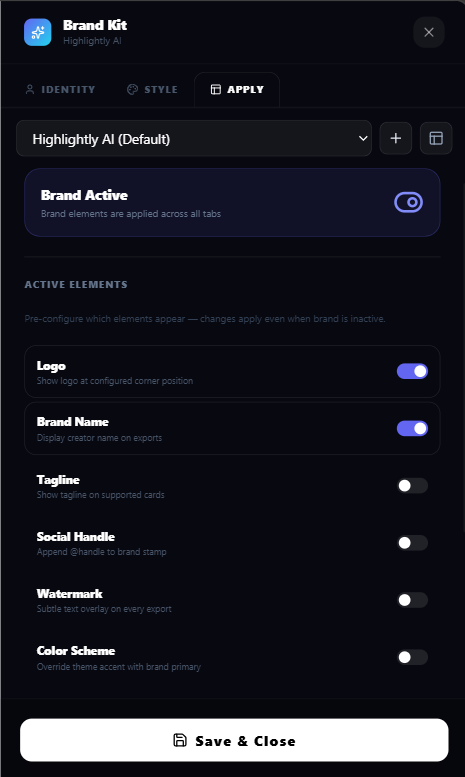
A social media graphic without attribution is a claim without a source. The audience does not know where the data came from, who said the quote, or whether the statistic is real. That uncertainty kills trust. Attribution fixes it.
If the content came from somewhere, say so.
Attribution is not just ethical — it is strategic. Attributed posts get more engagement because the audience trusts the content. They also build relationships with the sources you credit.
Why it matters
Why attribution makes social graphics more effective
Attribution does three things for your social graphics: it builds credibility, it protects you from plagiarism accusations, and it creates goodwill with the original source. A quote card with visible attribution looks professional. The same quote without attribution looks suspicious.
What attribution does for your content
- Builds trust: the audience can verify the claim by checking the source.
- Increases engagement: credible posts get more saves, shares, and comments.
- Protects your brand: no one can accuse you of stealing content if you credit the source.
- Creates reciprocity: sources you credit are more likely to share or engage with your post.
- Signals professionalism: attributed content looks like it came from a serious team.
The four methods
Four ways to add attribution to social graphics
Attribution methods for social media graphics
Source label on the image
Add a small text label to the graphic itself: 'Source: McKinsey 2026' or 'Data: HubSpot State of Marketing'. Place it in the bottom corner or below the main content. This is the most reliable method because the credit travels with the image.
Watermark overlay
Add a subtle watermark with your brand name or logo. This is less about crediting the source and more about claiming ownership of the design. Use low opacity so it does not compete with the content.
Handle mention in the caption
Tag the source in your caption: 'Data from @McKinsey' or 'Quote by @authorname'. This is discoverable and courteous, but it does not travel with the image if someone screenshots it.
Citation line at the bottom
Add a full citation at the bottom of the card: 'McKinsey Global Institute, 2026' or 'Based on research by HubSpot'. This works well for stat cards and data graphics.
Good examples
What good attribution looks like
Good attribution is visible but not dominant. It fits the design rather than fighting it. Here are examples of attribution done well across different graphic types.
Attribution by graphic type
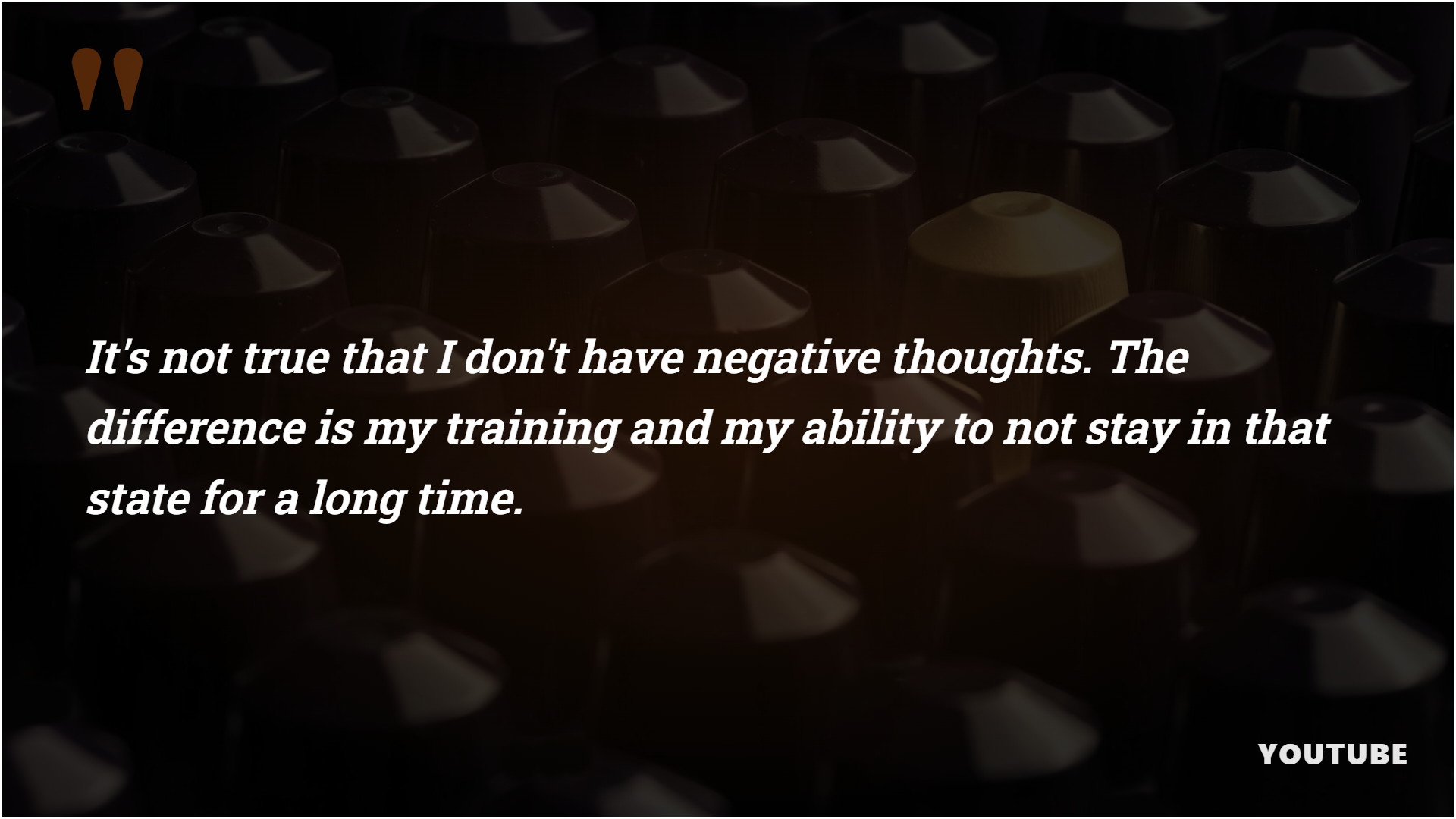
- Quote card: small source line below the quote — 'McKinsey, 2026' or '@authorname'.
- Stat graphic: source label in the bottom corner — 'Source: HubSpot State of Marketing 2026'.
- Carousel: source label on the first and last slides. Citation on each slide that uses specific data.
- Screenshot card: URL or domain visible in the screenshot itself, plus a source label.
- Comparison card: source for each side of the comparison, clearly labeled.
The workflow
How to make attribution a standard part of your process
The problem with attribution is not that teams do not want to do it — it is that it is easy to forget. The fix is to make it a default part of your brand kit and design workflow, not a manual addition after the fact.
Attribution workflow
Set up brand kit attribution defaults
Configure your brand kit to include a default attribution position, font, color, and opacity. This way every asset starts with attribution built in.
Extract source metadata with the content
When you extract a quote or stat, also capture the source name, author, publication, date, and URL. This metadata should travel with the content through your workflow.
Add attribution during design, not after
Do not design the graphic and then remember to add attribution. Make attribution part of the template so it is always present.
Double-check before publishing
Before posting, verify that every claim on the graphic has a visible source. If the stat came from a report, the report name should be on the card.
Set up attribution
Make attribution automatic with Highlightly.
Highlightly keeps source metadata attached to every extracted quote, stat, and key point. Attribution is part of the brand kit and export workflow — not an afterthought.
Set up your brand kitAttribution methods
Four ways to add source credit to social graphics.
Source labels, watermarks, handle mentions, and citation lines. The best approach depends on the format and platform. Good attribution is visible but not dominant.

Frequently asked questions
Research sources