 Highlightly Team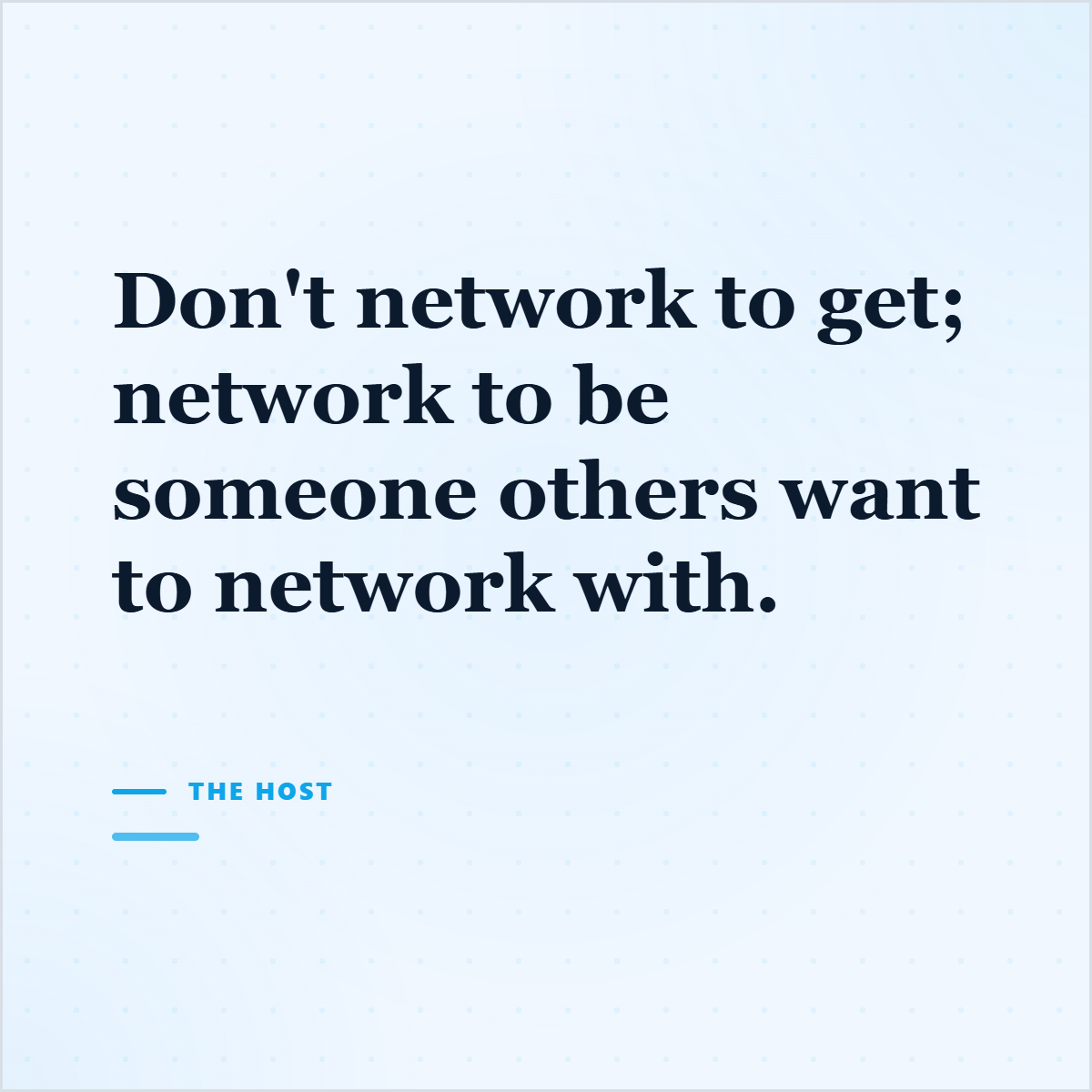

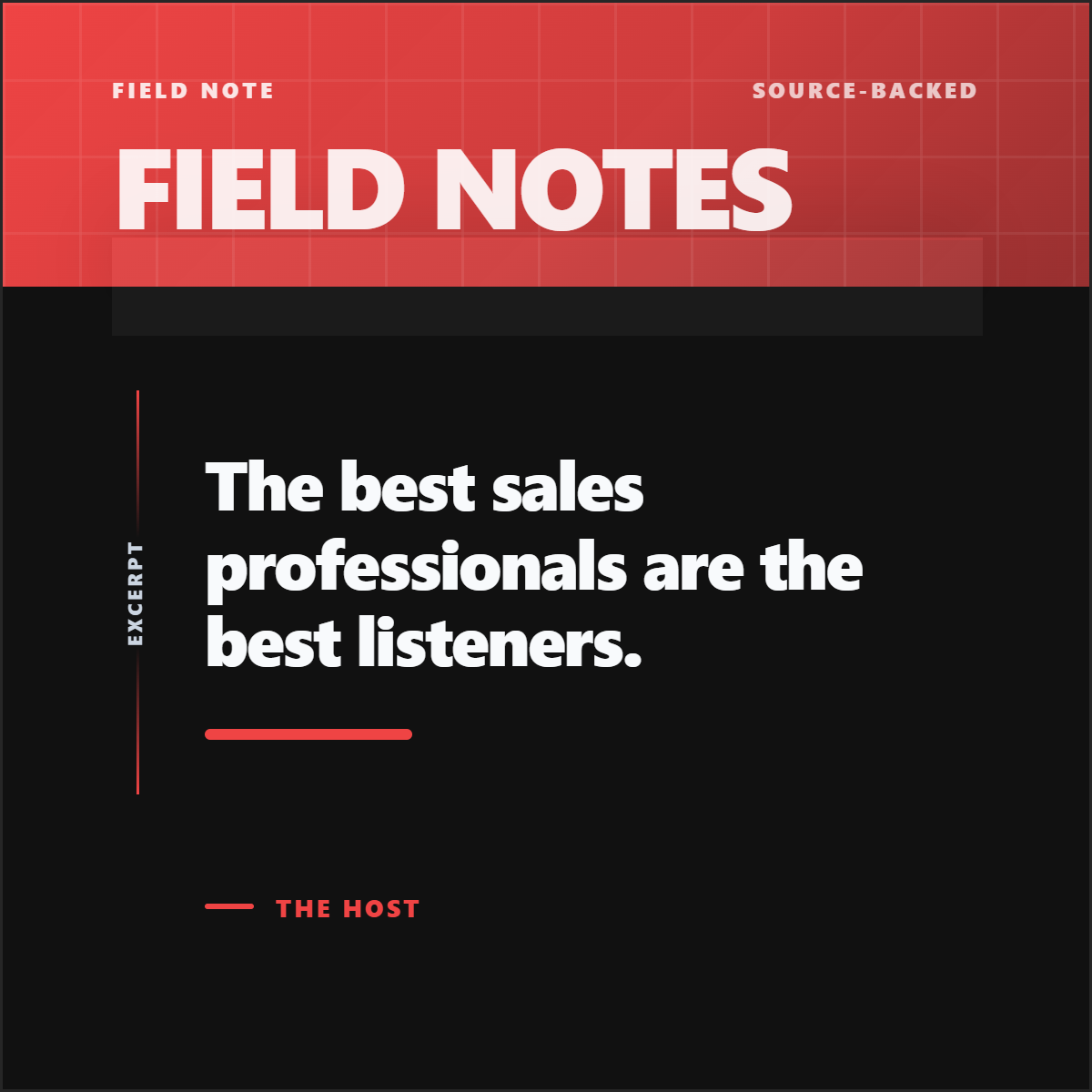
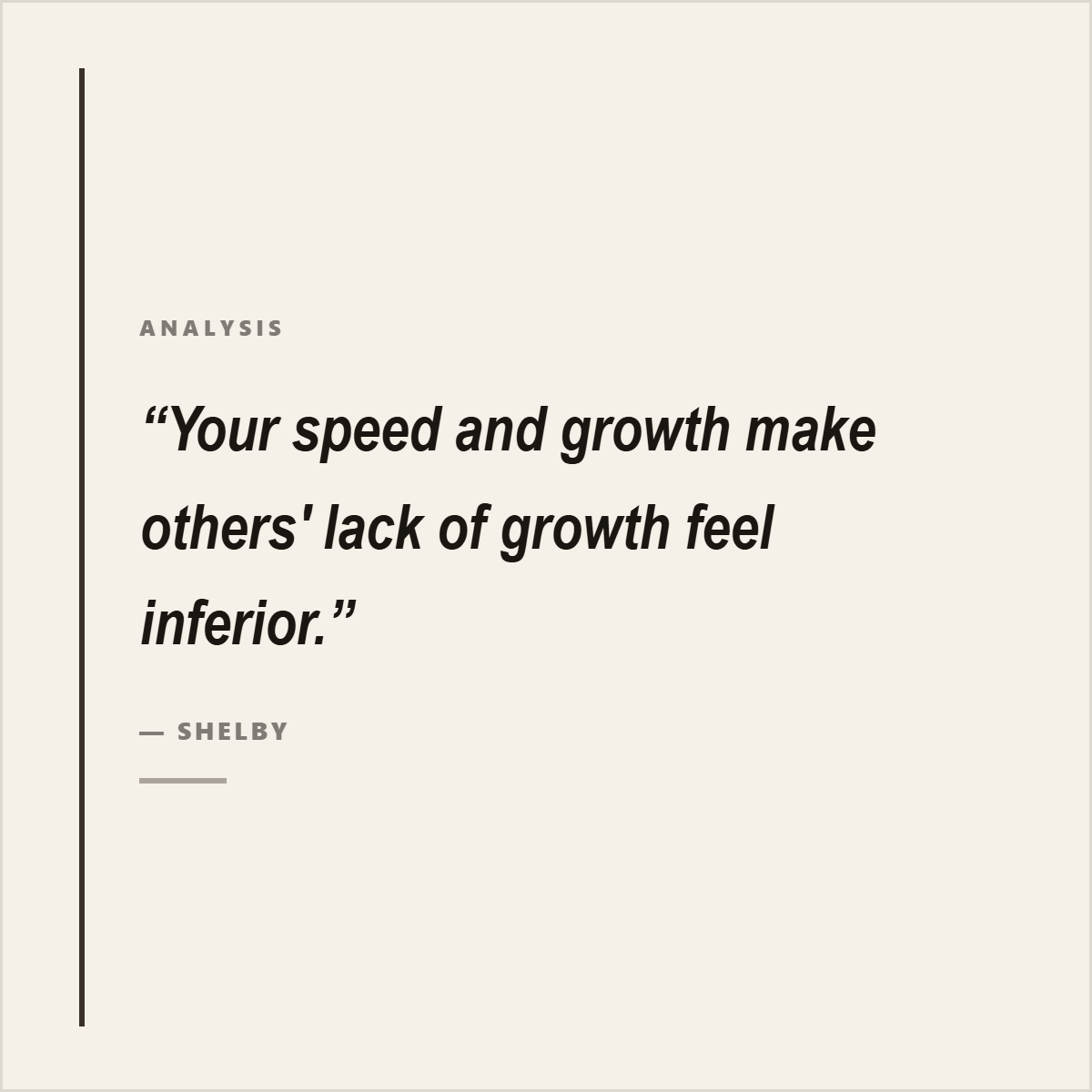
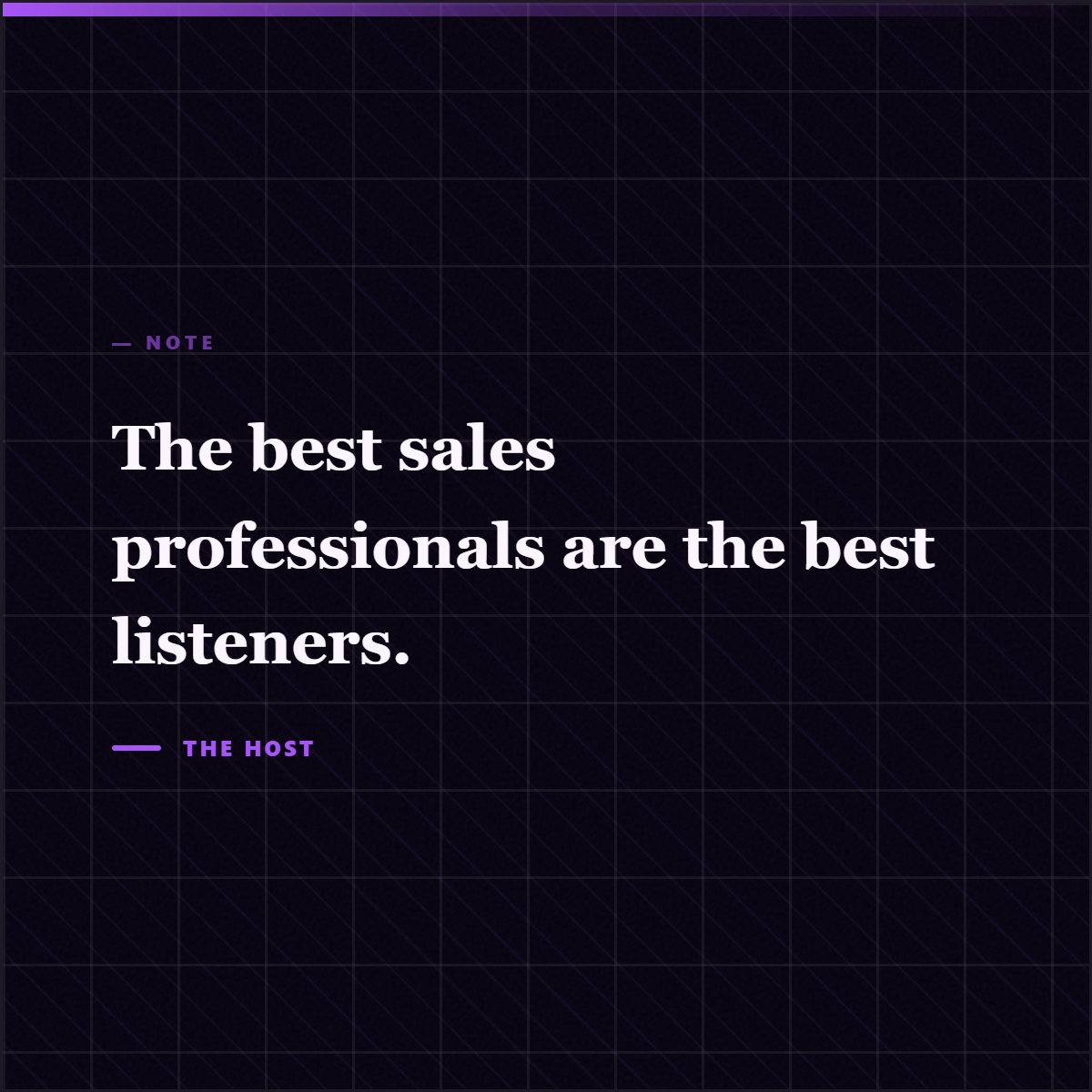
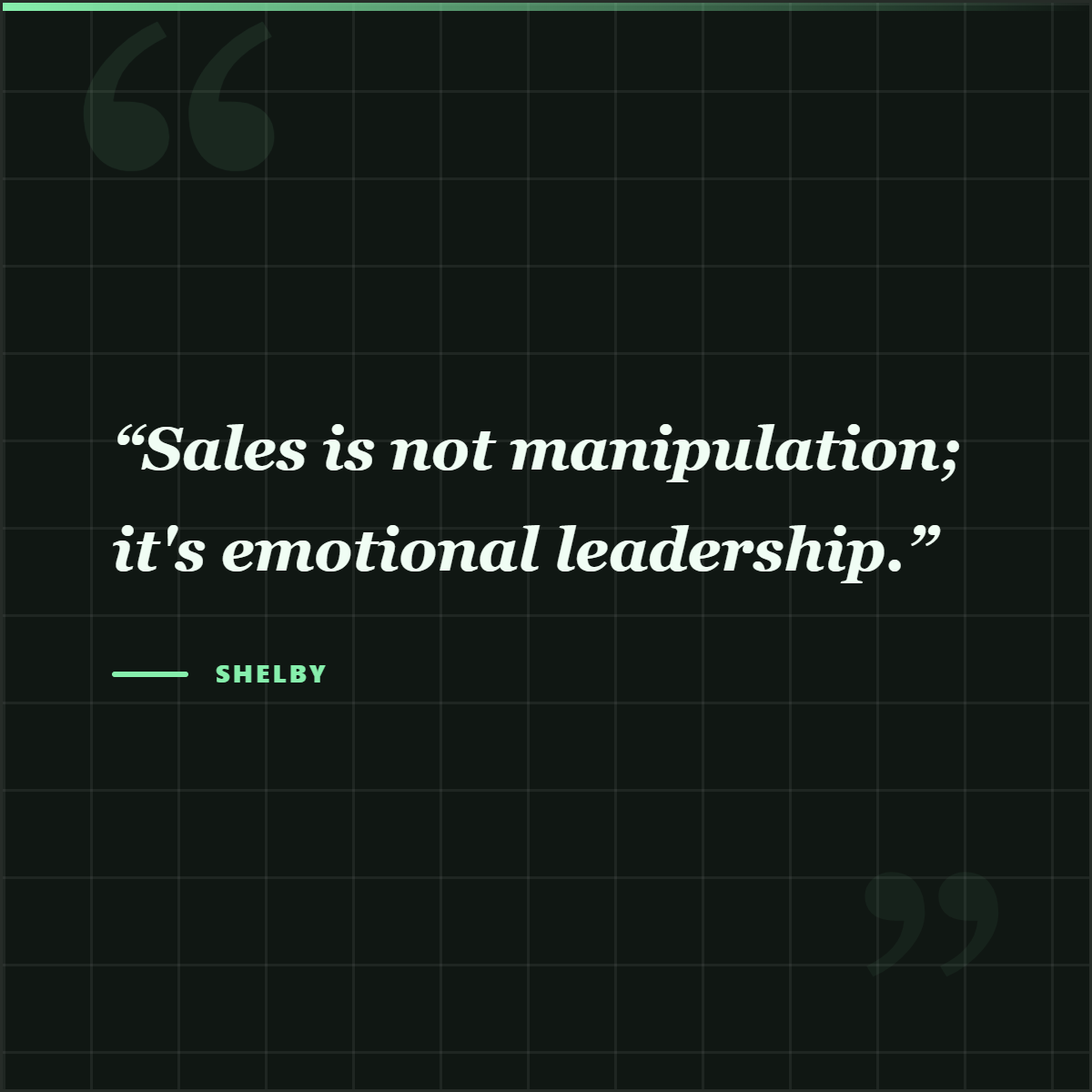


A quote card is not just a sentence in a nice box. The best quote cards do a harder job: they carry a real idea from a real source into a social feed without losing context.
That is why the workflow starts before design. First choose the right line. Then make it readable. Then add attribution. Only after that should the card worry about polish.
Selection
Find a quote that can survive outside the article
Many important sentences are bad quote card candidates. They depend on the paragraph before them, refer to a chart the reader cannot see, or use pronouns that make no sense once cropped.
Use this quote card test
- Can a reader understand the point without opening the article first?
- Does the quote say something concrete rather than generic?
- Would the author still recognize the meaning after extraction?
- Is the quote short enough to read on mobile?
- Is there enough source context to attribute it honestly?
Do not invent better quotes.
If the article does not contain a strong line, make a key-point card or summary card instead. A weaker real quote is more trustworthy than a polished quote that nobody said.
Design
Make the quote readable before you make it decorative
Article-specific examples
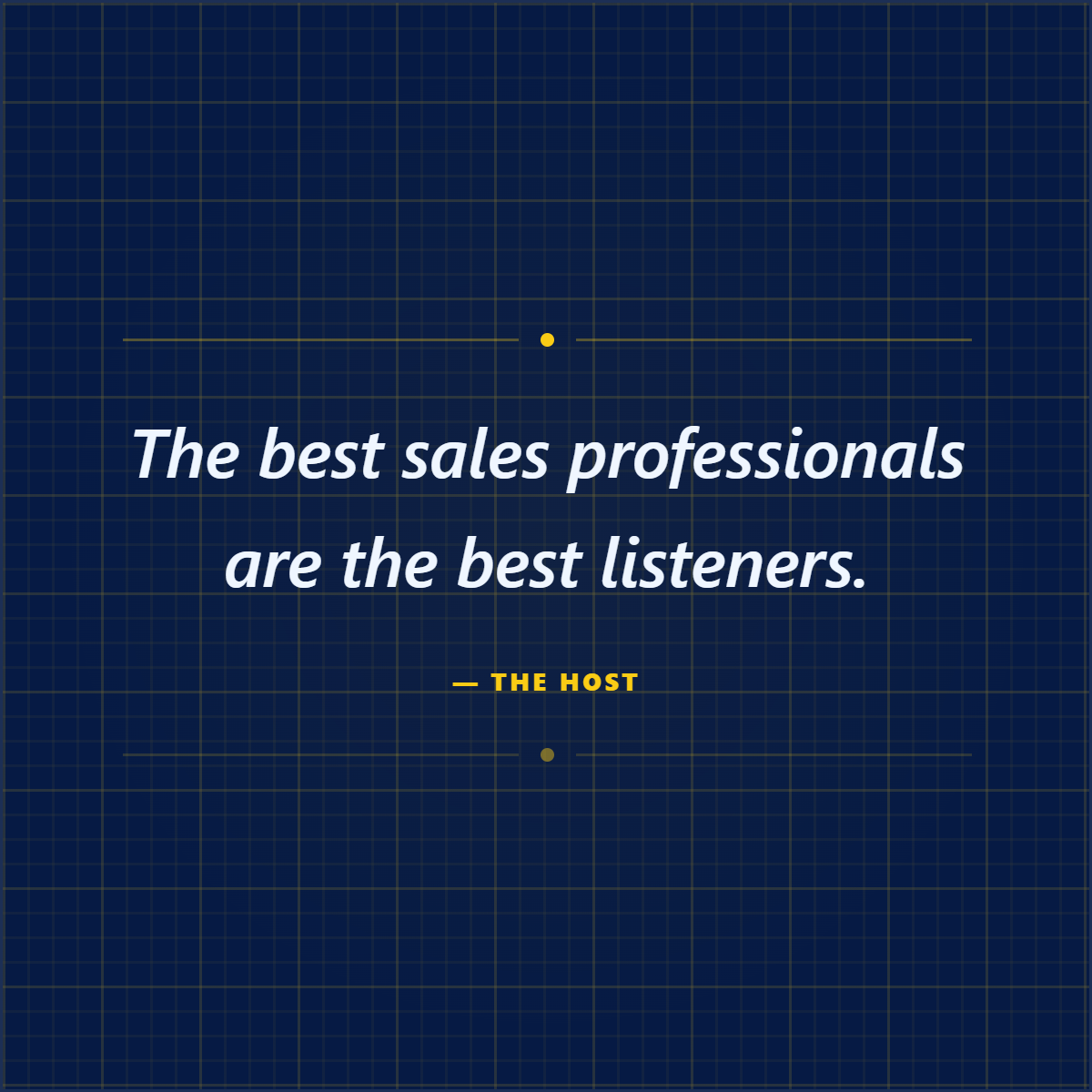
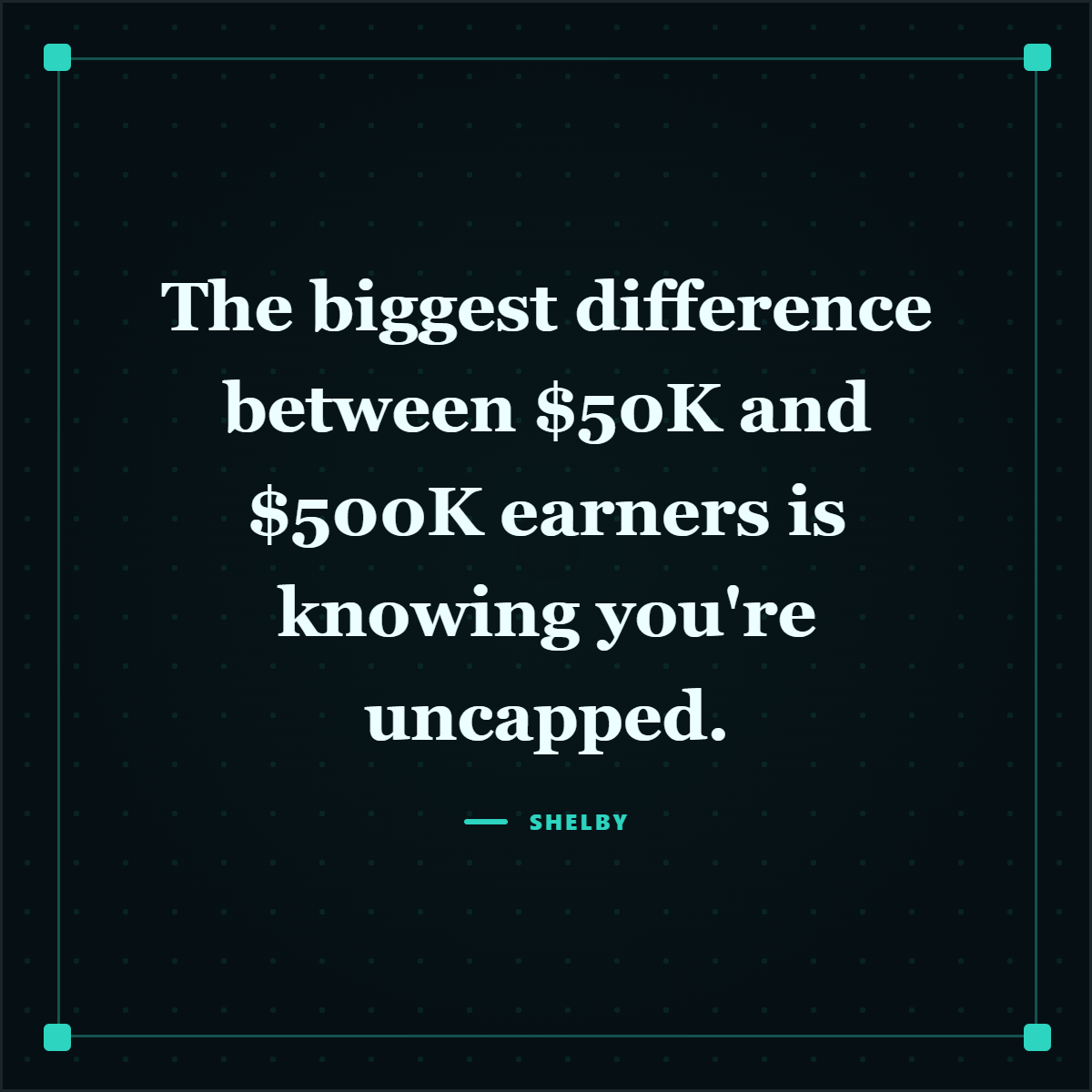
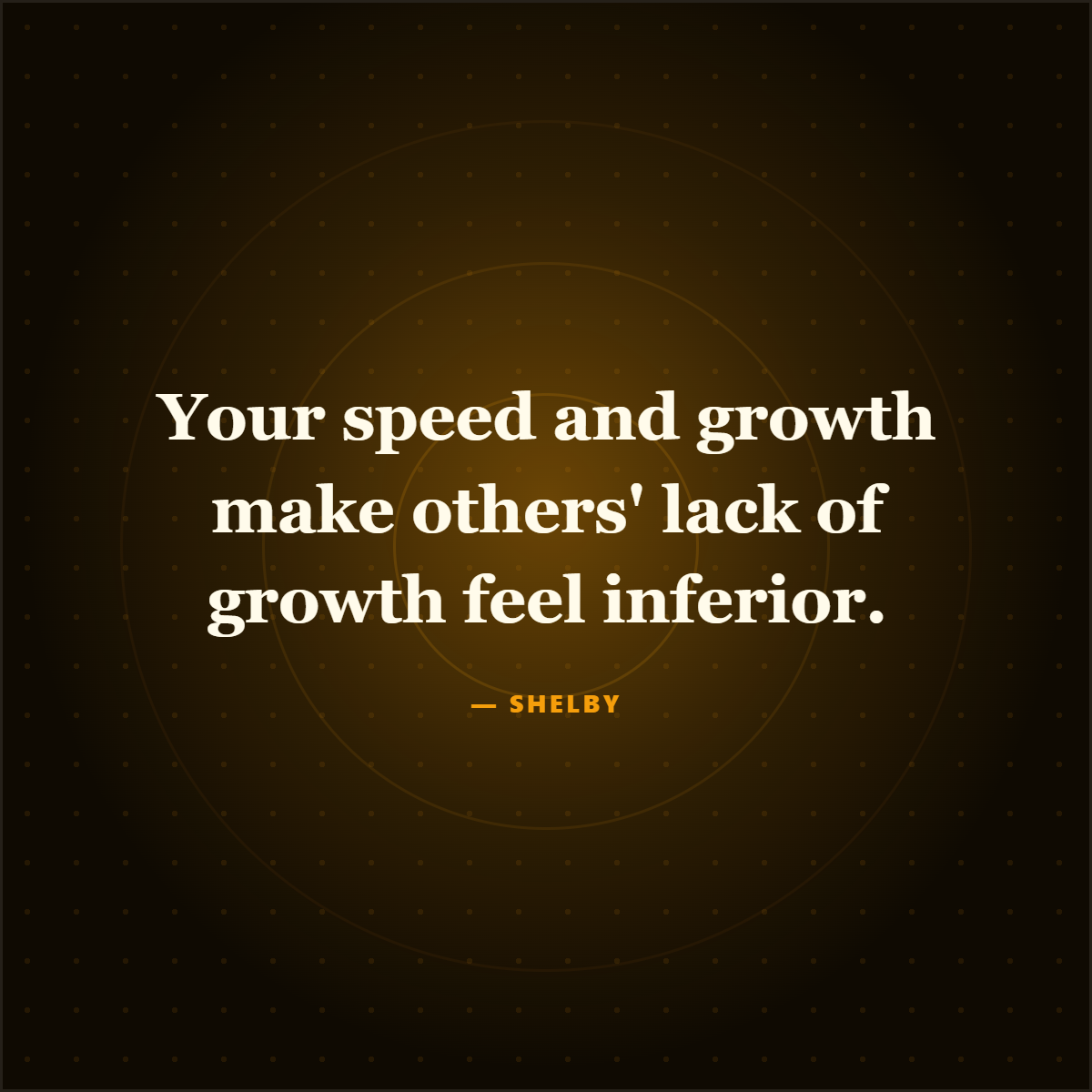
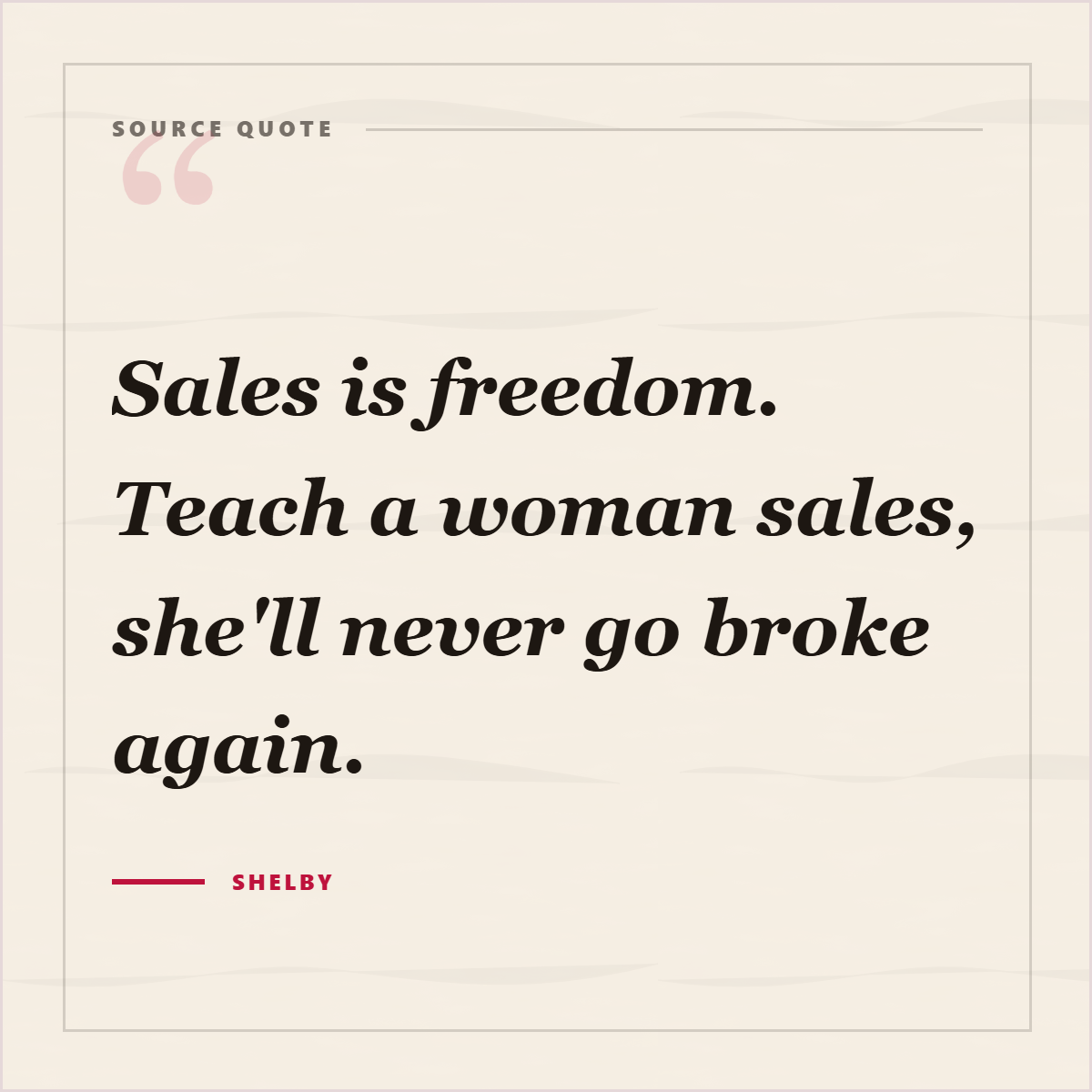
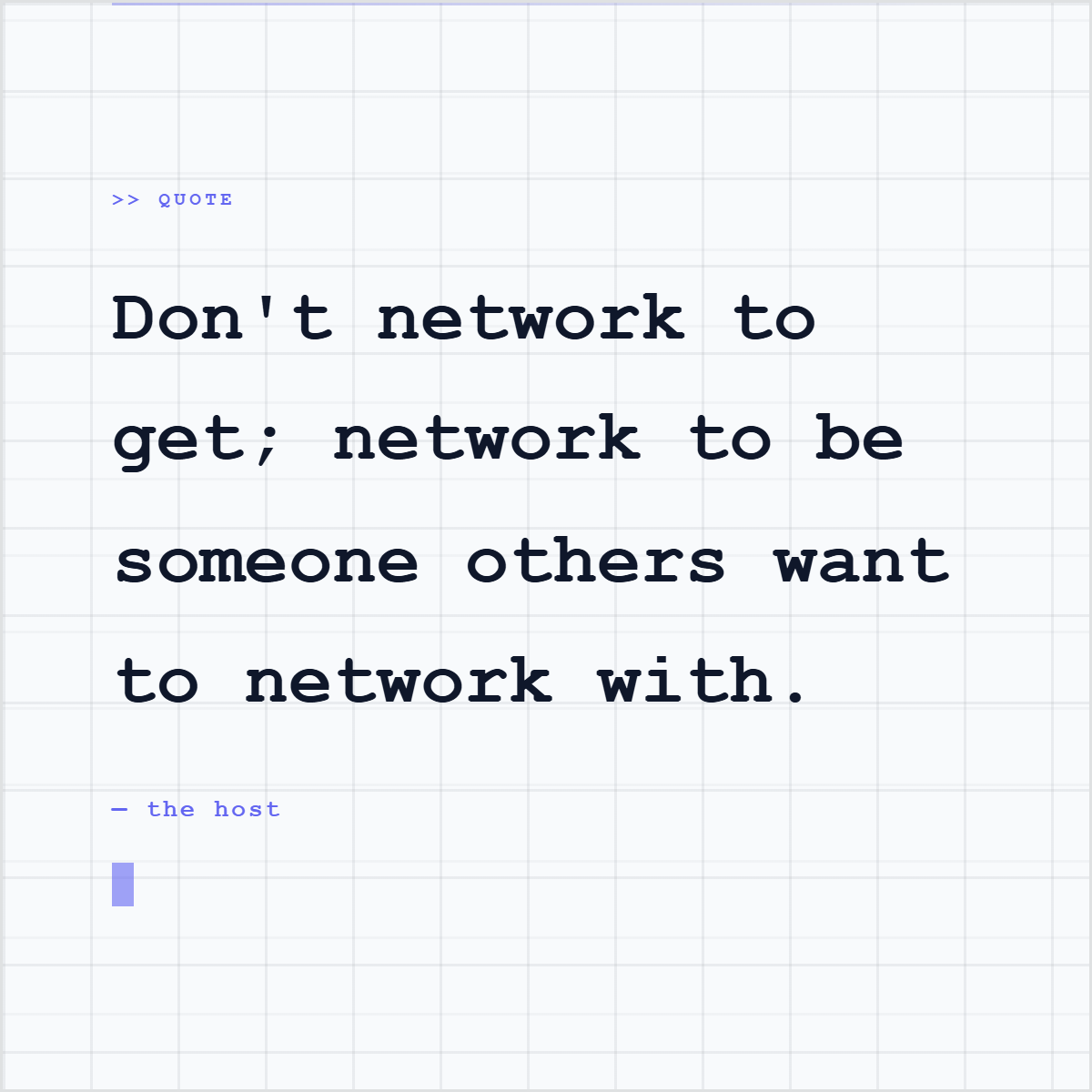
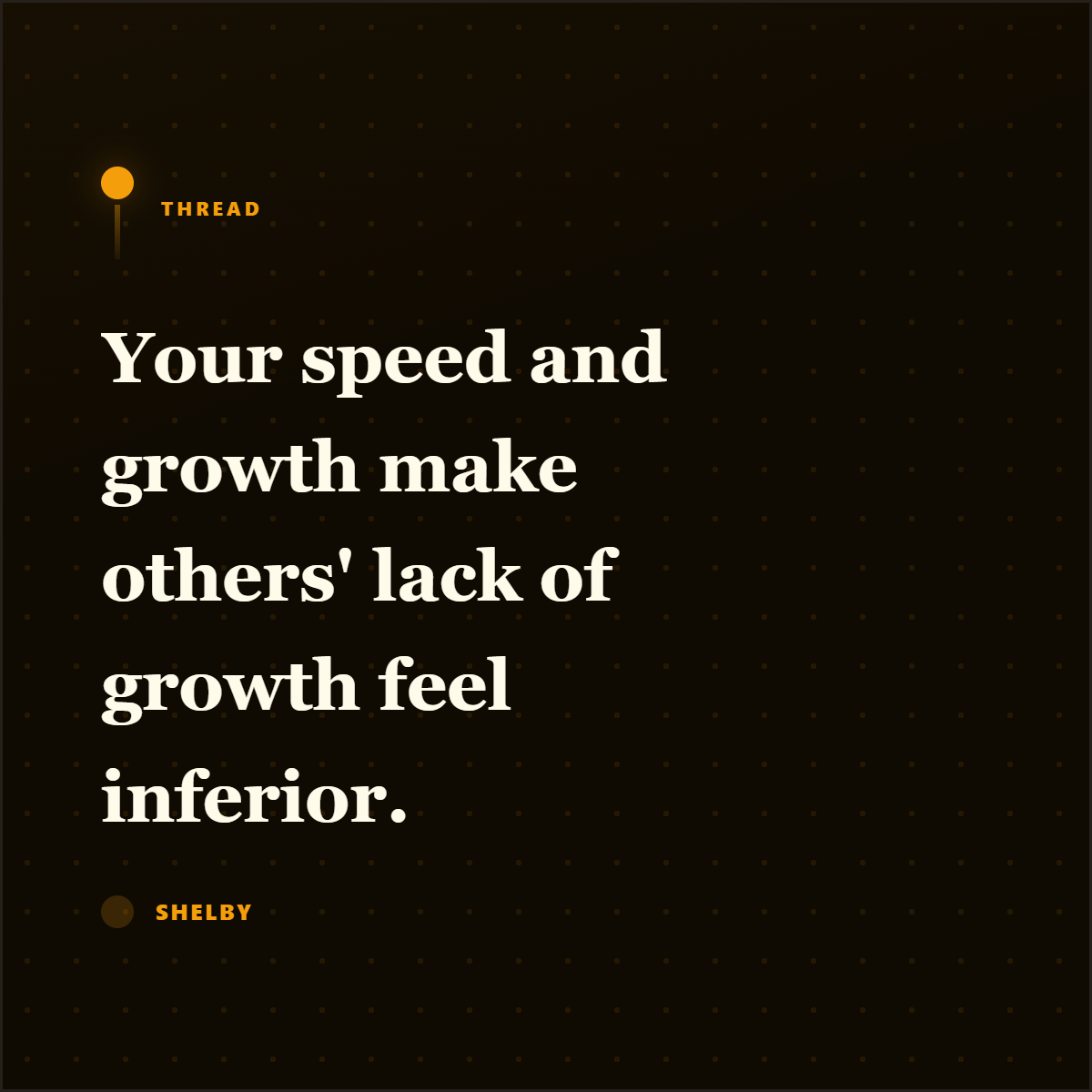
Quote card examples generated for this article context.
These graphics are specific to the article workflow: readable quote, clear source context, and a card style that supports the idea instead of burying it.

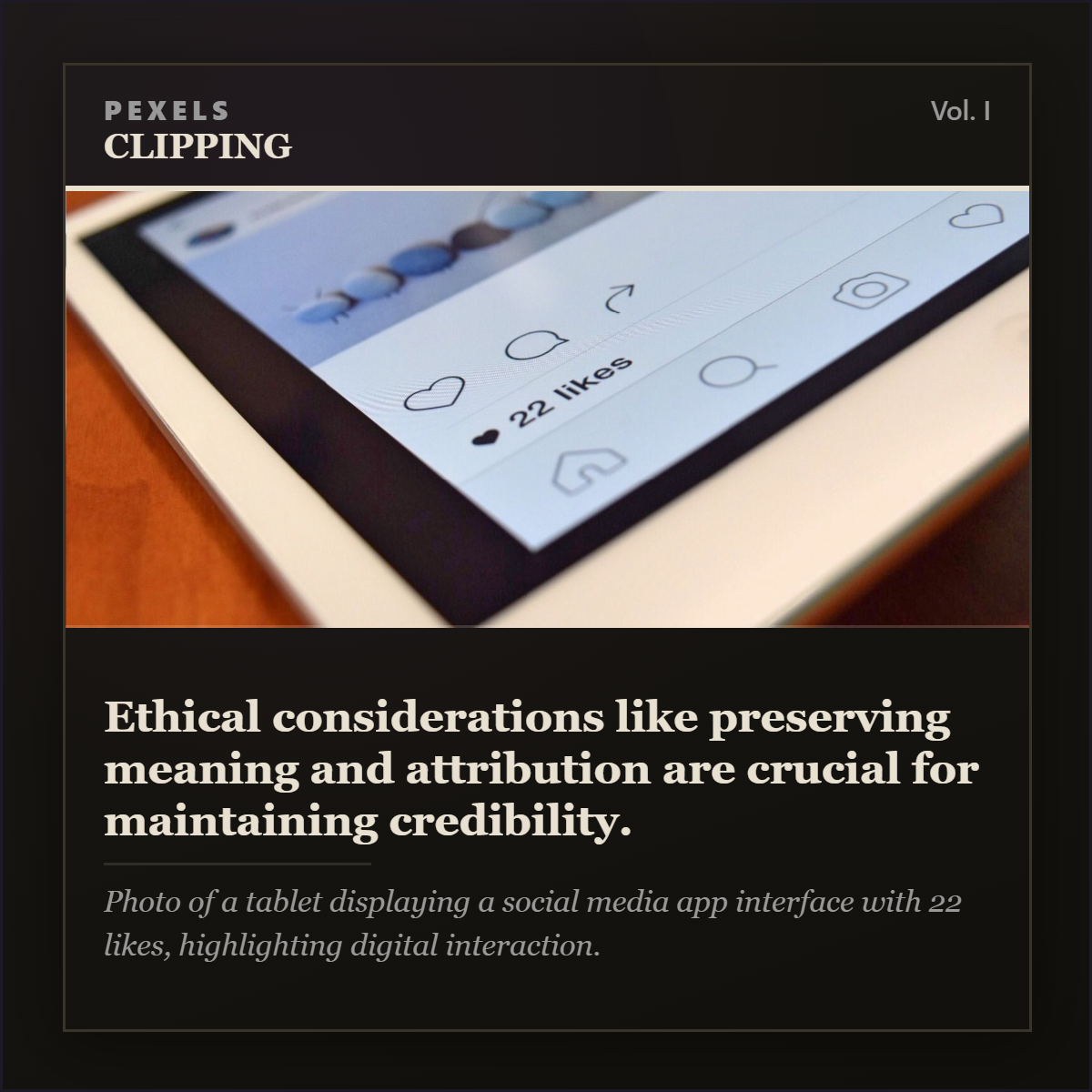
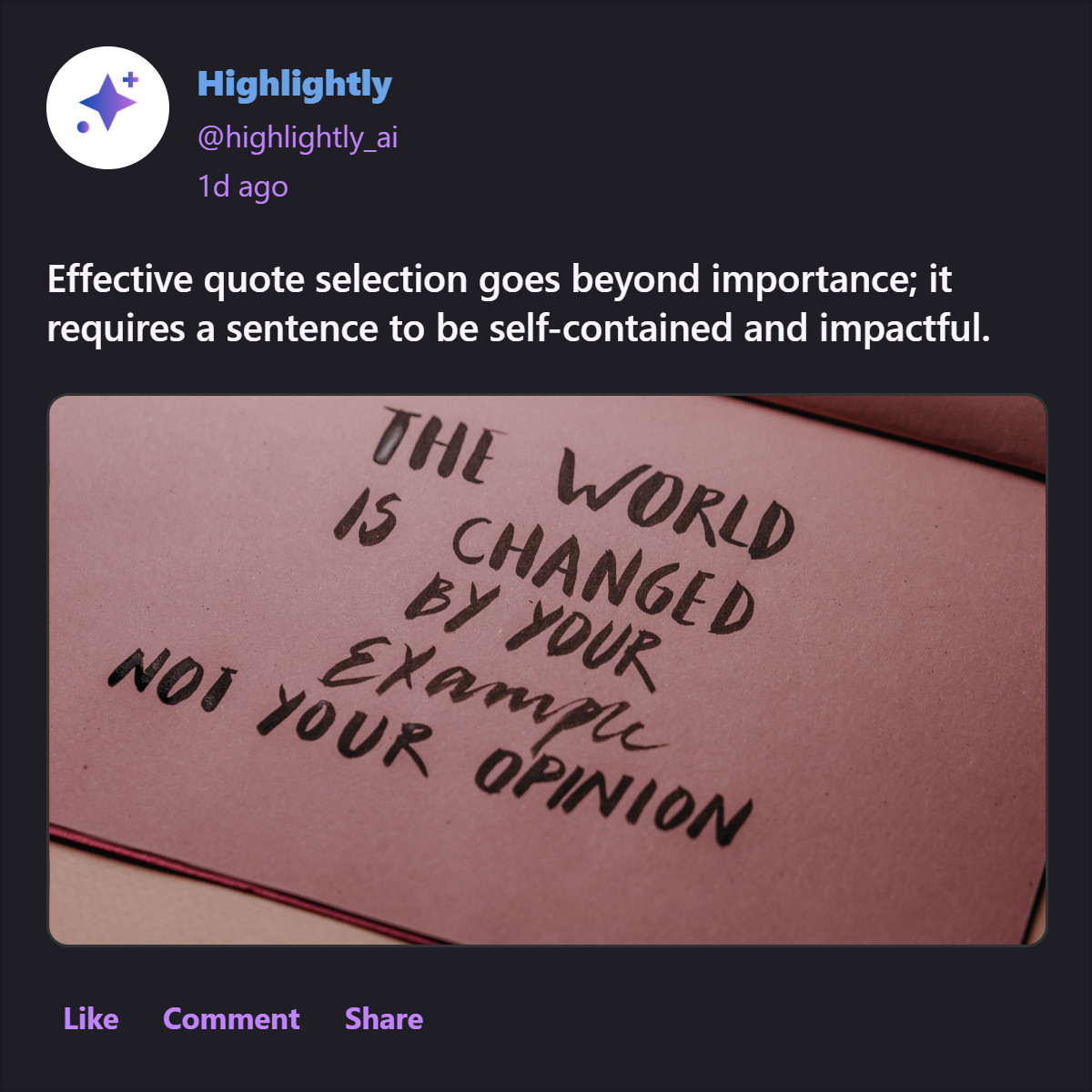
A quote card needs hierarchy. The quote should be the main visual event. Attribution should be smaller but readable. Brand marks, colors, frames, and textures should support the quote, not compete with it.
Quote card design workflow
Set the quote first
Use a large, readable type size and line height. If the quote does not fit, shorten the excerpt or choose a different format.
Add attribution
Place the author, source, or publication near the quote. Keep it visible enough to build trust.
Apply brand controls
Use your brand colors, font system, logo, watermark, or frame only after the card reads clearly.
Export for the platform
Check the crop at 1:1, 4:5, 9:16, or 16:9 before publishing.
Context
Attribution is part of the creative
Readers trust a quote card faster when they can see where the line came from. A small source line can do a lot: it signals that the quote is not invented, gives credit to the source, and invites people to read the original.
Quote checklist
A quote card needs more than a good-looking template.
The workflow is selection, context, hierarchy, attribution, and platform fit. Design comes after the quote passes those tests.
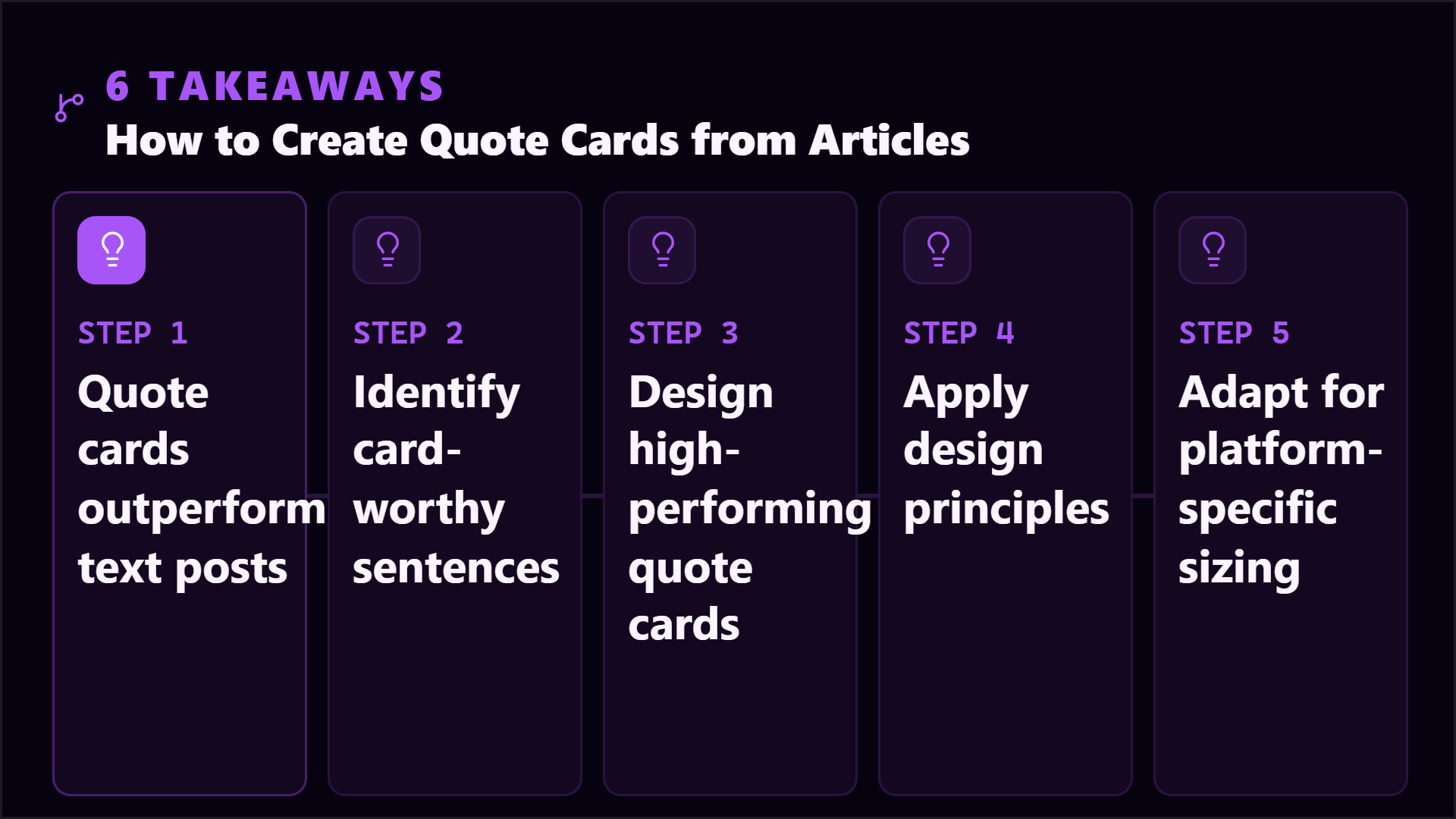
Quote card anatomy
Workflow
How Highlightly speeds up quote card production
Manual quote cards vs Highlightly
Make a quote card
Turn a real article quote into a branded social graphic.
Paste an article into Highlightly, choose the strongest extracted quote, adjust the template, and export a card with attribution.
Create a quote cardA good quote card is proof, not decoration.
The card should make the article easier to understand and easier to trust. That only works when the quote is real, the context is preserved, and the design respects the source.
- Choose quotes that stand alone.
- Keep attribution visible.
- Use design to clarify, not exaggerate.
Frequently asked questions
Research sources